
Fatigue, hair loss, brain fog? Learn how to distinguish perimenopause from subtle iron deficiency — and why many women experience both at once.

Introduction
It often begins subtly.
You feel tired — no matter how much you sleep.
Words slip away mid-sentence. Names you know well suddenly feel out of reach. Communication takes more effort than it used to.
Menstrual pain intensifies. Headaches before and during your cycle become more frequent.
You notice small changes in the mirror: hair that looks finer, more brittle; skin that appears drier, less luminous. Clothes that once fit effortlessly begin to feel tighter.
Your concentration falters. You make small mistakes you wouldn’t have made before.
And at some point, a quiet question arises:
Is this just aging?
Or is something else going on?
What makes this moment so unsettling is not the symptoms themselves — but how familiar they sound.
They echo what many women are told to expect in midlife.
At some point, someone says the word perimenopause— and suddenly everything seems to make sense.
Hormonal shifts. Stress. “Normal changes.”
This is just part of the transition.
And sometimes, that is true.
Perimenopause is real.
But not every symptom is hormonal.
What is often overlooked is that many of these symptoms may not be the problem itself — but part of a deeper response the body is trying to communicate.
This article explores why midlife symptoms are sooften misunderstood,
what tends to be overlooked when explanations come too quickly,
and how asking different questions can change the way symptoms are interpreted— and addressed.
It offers a clearer framework for understanding your symptoms —
helping you decide what truly deserves attention before assuming the answer is “age” or “just hormones.”
That understanding becomes a powerful tool:
one that helps prevent misinterpretation, avoid incomplete treatment,
and better read what your body is actually signaling.
Author’s Note
This article focuses primarily on subtle irondeficiency (often referred to in the literature as iron deficiency without anemia, IDWA) — a condition that is widespread among women worldwide and frequently overlooked when symptoms are attributed solely to hormonal imbalance, especially after the age of 40.
In reviewing population data, nutritional research, and hormonal physiology, a recurring pattern becomes clear: many symptoms commonly labeled as “hormonal” — such as fatigue, PMS, cycle discomfort, hair and skin changes — are closely linked to iron availability and metabolic capacity.
Iron deficiency is not the only cause of hormonal symptoms, nor is it a universal explanation. However, iron plays a central role in energy metabolism and hormone responsiveness, making it a critical — and often missing — piece in women’s health discussions.
Because of iron’s pro-oxidative potential, this article cautions against routine iron supplementation and focuses on food-based context instead. Nutritional strategies and foundational metabolic support should always be considered first, and individual assessment remains essential.
Why So Many Women Are Misdiagnosed in Perimenopause
For many women, the path to a perimenopause diagnosis is surprisingly short.
Symptoms appear. Cycles shift slightly. Energy fades. And for women over 40, the explanation often feels immediate — it must be hormones. Treatment follows the symptoms.
What is rarely asked is a deeper question:
Why do these symptoms appear the way they do — and why now?
The Symptom Overlap Nobody Talks About
Feeling exhausted after a full night’s sleep.
Losing words mid-sentence.
Watching hair thin in the mirror.
Feeling colder than everyone else.
Noticing your heart race without warning.
Struggling through workouts that once felt easy.
These experiences are commonly attributed to perimenopause.
They are also classic signs of iron deficiency and broader metabolic strain.
This overlap is not accidental.
Iron deficiency does not simply mimic hormonal imbalance.
It can lower the body’s ability to respond to hormonal signals in the first place.
Iron deficiency and hormonal imbalance often coexist —not as separate conditions, but as interconnected processes
What looks hormonal on the surface may, in part, be the downstream effect of depleted metabolic foundations — especially iron.
Symptoms are labeled hormonal, while the body’s capacity to sustain hormonal balance quietly erodes underneath.
When “Hormonal” Becomes a Catch-All Diagnosis
After the age of 40, hormonal explanations often become the default — and understandably so. Perimenopause is real, and hormonal fluctuations can affect sleep, mood, and cognition.
But when hormones become the only lens through which symptoms are viewed, important signals may be missed.
Symptom-based treatment without proper laboratory context carries risks.
- Uncorrected foundational deficits: Foundational deficits — including iron, vitamin B12,folate, magnesium, vitamin B6— may remain uncorrected.
- Ineffective hormonal therapies: When foundational deficits remain uncorrected, thebody shifts into conservation mode, reducing its ability to respond to hormonalsignaling even when hormone levels themselves appear normal.
- Symptoms that were meant to be temporary can quietly become chronic.
This is where misdiagnosis truly begins: when symptoms are treated as hormonal signals alone, while the body’s depleted energy and nutrient reserves — especially iron — are never assessed.
Regulating hormones without ensuring the body can actually respond to them is like turning up the volume on a message with no receiver.
Not every woman over 40 is in perimenopause.
But many women in their 40s are running on depleted iron reserves.
The real question is not only which hormone is changing, but whether the body has the resources to hear and respond to that signal.
Iron Deficiency— The Hidden Energy Crisis in Women
Iron deficiency is often framed as a problem of low hemoglobin or overt anemia. In reality, it is far more subtle — and far more common. For many women, iron depletion unfolds quietly, long before standard blood markers cross diagnostic thresholds.
What follows is not a collapse, but a gradual energy recalibration. And the body adapts by doing less.
Iron Is Not Just About Anemia
In reality, iron is a cornerstone of cellular energy – much like oxygen for a flame.
When energy production becomes less efficient, the body makes strategic decisions. It protects what is essential for survival —the heart, brain, and basic metabolism — and quietly reduces energy investment in processes that are not immediately vital.
This is why iron deficiency does not always look dramatic.
Instead of collapse, it often looks like:
- slower thinking rather than overt weakness
- thinner hair rather than sudden hair loss
- emotional flatness rather than clinical depression
- reduced stamina rather than complete exhaustion
Iron is also involved in several systems women often associate with hormones:
- It supports the production of brain messengers such as dopamine and serotonin, which influence focus, motivation, and emotional resilience
- It helps the thyroid convert its storage hormone into its active form (T3) — affecting metabolism, body temperature, and energy levels
- It is required for hair follicles to remain in their growth phase; when iron is low, hair growth is often one of the first processes to be scaled back
Seen this way, iron deficiency is less like an on–off switch and more like a dimmer. The lights are still on — but everything runs at a lower intensity.
This is why iron deficiency often looks like burnout, early aging, or hormonal chaos — long before hemoglobin ever drops.
Why Iron Deficiency Is So Common in Women 35+
Iron deficiency rarely has a single cause. For most women especially over 35, it develops quietly — like a savings account that isslowly drained without ever being intentionally refilled.
Every menstrual cycle is a withdrawal. Even when bleeding is considered “normal,” iron is lost month after month. Yet very few women adjust their nutrition around their cycle — especially during and after menstruation, when replenishment matters most.
Pregnancy places an additional, often underestimated demand on iron stores. For some women, those reserves are never fully rebuilt —particularly when postpartum recovery focuses on calories and rest, but not on targeted iron repletion.
Contrary to popular belief, iron deficiency is not caused by vegetarian or vegan diets per se. Plant-based diets can support iron balance — and often help prevent deficiency — when absorption, meal preparation, and eating habits are understood and applied.
The issue is not the source of iron, but whether it is paired correctly, timed well, and supported metabolically. When these conditions are met, plant-based iron (non-heme) can become surprisingly effective. Unlike heme iron (from animal sources), non-heme iron is absorbed moreflexibly: when stores are low, the body can increase uptake — especially when meals are designed to support it.
Many women are never taught how to prepare, combine, and time iron-rich foods in a way that truly supports replenishment.
This knowledge gap — not dietary choice — is what often turns a preventable deficiency into a chronic one.
For readers who want to translate these principles into everyday life — including meal preparation, common myths, and cycle-aware eating — a practical guide is available in the book Before You Call It Hormones: A Practical Guide to Women’s Wellbeing, Nutrition, and Hormonal Resilience, designed to be integrated immediately into daily routines.
Just as plant-based diets do not automatically lead to deficiency, regular meat consumption does not reliably prevent it. Many women who eat meat still develop low iron stores — often due to absorption, regulation, and replenishment issues rather than intake alone. Iron balance is more complex than simply eating more red meat.
Gut and digestion matter. Antibiotics, chronic stress,and ongoing digestive strain can disrupt the gut environment and reduce the body’s ability to absorb and utilize minerals effectively — even when ironin take looks “fine” on paper.
Infections affect iron balance in a very specific —and often misunderstood — way.
When the immune system is activated, iron is actively redirected. It is pulled away from every day processes and prioritized for defense. Immune cells require iron to function, to multiply, and to neutralize pathogens. This mobilization is essential — and metabolically expensive.
At the same time, inflammatory signaling temporarily changes how iron is handled. Absorption from the gut decreases, and less iron is released into circulation. Not because iron is no longer needed — but because the body is focusing its resources on survival.
You can think of iron as emergency fuel. During an infection, the body draws heavily from its reserves and reroutes that fuel toward the immune system. The battle ends — but the tank is rarely refilled.
Once symptoms resolve, recovery is considered complete. Yet iron stores may remain partially depleted, quietly limiting energy production, tissue repair, and resilience for weeks or even months afterward.
Recovery protocols rarely include intentional iron replenishment. This is why many women feel “recovered,” but not fully restored. Fatigue lingers. Hair shedding continues. Physical stamina does not fully return.
Chronic stress and low-grade inflammation can furthers hift iron regulation, making iron harder to mobilize even when total stores appear adequate.
Alcohol can complicate iron balance by irritating the gut lining, impairing absorption, increasing inflammatory signaling, and placing additional demand on the liver — all of which influence how iron is stored, released, and used.
And with age, digestive efficiency can decline. Lower stomach acid, altered gut integrity, or subtle malabsorption can reduce uptake— regardless of how well someone eats.
Finally, most women — regardless of diet — do not eat in a cycle-aware way. Increased iron needs during and after menstruation are rarely met with targeted nutritional support, even among those consuming animal products.
This is why iron deficiency is not just a question ofwhat you eat, but how well your body can absorb, regulate, and replenish what it uses. Taken together, these factors create a slow, cumulative depletion —not dramatic enough to trigger alarm bells, but significant enough to shift how the body functions.
Iron deficiency is best understood not only as a blood issue, but as an energy limitation — and one that is often mistaken for aging, stress, or “just hormones” long before iron is ever considered.
Recognizing it early does not just correct a lab value.
It can change the entire trajectory of symptoms often assumed to be inevitable.
Perimenopause —What Actually Changes First
Perimenopause is often described as a gradual declinein estrogen. In reality, the earliest changes are rarely linear — and they are not limited to a single hormone. What many women experience first is not hormone deficiency, but hormonal instability.
Think of it less like a dimmer slowly turning down, and more like a signal that starts to flicker. Some days it is strong; otherdays, erratic. The body struggles not because hormones are gone, but because their rhythm becomes unpredictable.
What is often overlooked is that iron deficiency does not simply mimic hormonal imbalance — it can quietly amplify it.
Progesterone, the hormone most sensitive to metabolic strain, is often the first to be affected.
Its calming and stabilizing effect depends on adequate energy availability.
When iron stores are low, progesterone may still be produced — but its signal becomes weaker.
Like a dimmed light rather than a switch turned off. Progesterone is present,but no longer fully effective.
The cause may be a lack of energy and resources, not necessarily ovarian failure.
Sleep fragments.
Anxiety rises.
PMS intensifies.
Cycles become irregular.
What looks like early perimenopause may, in part, reflect a body that lacks the resources to fully express hormonal balance — rather than one that has already lost it.
Understanding this distinction helps explain why symptoms can feel inconsistent and difficult to resolve when they are viewed through hormone levels alone.
The hormonal dynamics of perimenopause — particularly the early vulnerability of progesterone and the variability of estrogen — are explored in more depth in our dedicated article: From Sleepless Nights to Stubborn Belly Weight Gain: How Targeted Hormone Tracking & Supplementation Can Ease Perimenopause Symptoms.
Not every symptom is hormonal.
Symptoms do not arise from a single cause, but from the interaction between fluctuating hormones and a body running low on energy, nutrients, and recovery capacity.
Recognizing this interaction allows care to shift from blunt to precise — and far more effective.
In early perimenopause, the first shift is rarely a true hormone deficiency.
It is a growing mismatch between fluctuating hormonal signals and the metabolic resources needed to respond to them.
Why Treating Hormones Alone Sometimes Doesn’t Work
Hormone therapy can be highly effective — when the body has the resources to respond.
Yet many women experience persistent symptoms despite “correct” dosing, normal hormone panels, or carefully designed protocols.
This does not mean the therapy is wrong.
More often, it means the context in which hormones are expected to work has not been fully assessed.
Hormones Are Signals — Not Solutions on Their Own
Hormones act as messengers.
They instruct cells what to do — but they do not supply the energy required to carry out those instructions.
For hormonal signals to be received and translated into real physiological change, the body needs adequate metabolic capacity. That capacity depends on oxygen delivery, mitochondrial function, nutrient availability, and recovery reserves.
iron → oxygen delivery → mitochondrial function → cellular response to hormones
When these foundations are compromised, hormone receptors may still be present and hormone levels may appear “within range” — yet the response remains muted.
This explains why hormonal treatment can improve certain symptoms, while others — such as fatigue, hair thinning, poor stress tolerance, or cognitive fog — persist.
The signal is there.
The body’s ability to respond is limited.
The Thyroid: The Often-Missed Mediator
The thyroid plays a central intermediary role between metabolism and ovarian hormones.
Iron is essential for thyroid hormone activation.
When iron availability is low, the conversion of T4 into metabolically active T3 can slow — not because iodine is missing, but because the enzymatic capacity required for activation is limited.
A thyroid operating below its optimal range can quietly shape how hormonal signals are expressed throughout the body.
Cycle regularity, temperature tolerance, metabolic rate, weight regulation, and overall hormonal responsiveness may all be affected.
In this context, symptoms attributed solely to perimenopause may reflect an energy and activation bottle neck, rather than a primary failure of ovarian hormone production.
Treating hormones without addressing this metabolic layer can therefore lead to partial or inconsistent results — not because hormones are ineffective, but because their downstream translation is constrained.
Biology Does Not Follow a Calendar
Every woman’s biology unfolds on its own timeline.
Age alone is not a diagnosis — and it is not proof of perimenopause.
Hormonal changes do occur in midlife, but their impactis shaped by the body’s metabolic context:
by how well energy is produced, how nutrients are absorbed and mobilized, and how resilient the system is under stress.
Iron status and other key metabolic markers play a central role in how hormonal signals are expressed, tolerated, and experienced. When these reserves are low, hormonal modulation alone may feel blunt, inconsistent, or incomplete.
For this reason, iron and metabolic markers should always be assessed alongside hormones — not as an after thought, but as part of the same picture.
Understanding whether symptoms are driven primarily by changing signals, limited resources, or a combination of both is what allows care to become more precise — and more effective.
Which laboratory values provide the most meaningful insight — and how to interpret them in context — is explored in detail in Part2: Iron Deficiency vs. Perimenopause — The Labs That Matter Most.
Rebuild Foundations First: Nutrition Comes Before Numbers
In perimenopause, nutrition is not a corrective measure — it is the ground you stand on.
Nutrition cannot stop perimenopause.
But it can influence how early, how intensely, and how disruptively it is experienced.
A well-designed, cycle- and life-phase–aware nutritional approach can:
- delay the onset of noticeable symptoms
- buffer hormonal instability
- support the body’s responsiveness to progesterone over time
- increase energy availability and stress resilience
- reduce the likelihood of secondary hormonal dysregulation that is not primarily ovarian
These principles — including food combinations, preparation methods, timing, and cycle-aware eating — are explored in more depth in the educational guide: "Before You Call It Hormones: A Practical Guide to Women’s Wellbeing, Nutrition, and Hormonal Resilience", designed for practical, everyday integration.
Waiting for numbers to fall is rarely the answer.
This is why a phase-aware nutritional approach matters in perimenopause — with or without lab confirmation.
Instead of eating the same way every day, it responds to moments of loss, rebuilding, and higher demand:
after menstruation, during stressful weeks, and when sleep runs thin.
The goal is not to fix a deficiency once it appears, but to protect the body from slipping into one.
Food-first strategies work on multiple levels at once.
They support iron availability, stabilize blood sugar, ease the load on the liver, and calm the nervous system — not through restriction, but through how meals are built, combined, prepared, and timed in daily life.
What you eat in the morning shapes how resilient you feel in the afternoon.
How you nourish yourself around your cycle influences PMS, sleep, and recovery.
And how your days align with your internal rhythm helps determine whether nutrients are absorbed — or simply pass through unused.
This is where targeted metabolic support fits in.
Approaches such as MIC-B12–based metabolic support, foundational nutrient repletion, and circadian-aligned lifestyle strategies are not alternatives to hormonal care.
They are what allow hormonal support to work with the body, rather than against its limits.
For readers who want to understand why circadian rhythm and metabolic timing play such a central role, this is explored further in our article “Why So Many Women’s ‘Hormonal’ Symptoms Begin in the Brain –Part 2.”
And for those who want to translate these principlesinto real life — meals, food combinations, preparation methods, and dailyhabits — the practical guide is laid out step by step in the book Before You Call It Hormones: A Practical Guide to Women’s Wellbeing, Nutrition, and Hormonal Resilience (coming soon).
If you’re looking for clarity through numbers, the exact labs and their interpretation are covered in Part 2: Iron Deficiency vs. Perimenopause — The Labs That Matter Most (coming soon).
Key Takeaways
- Perimenopause is real — but age alone is not a diagnosis, and not every symptom is hormonal.
- Manys ymptoms attributed to perimenopause arise when fluctuating hormones meet depleted metabolic and energy reserves.
- Iron deficiency does not just mimic hormonal imbalance — it can amplify it by limiting the body’s ability to read hormonal signals.
- Hormones are signals, not fuel. When energy availability is low, hormonal messages may be present but not fully received.
- Progesterone vulnerability and thyroid hormone activation are especially sensitive to iron status and metabolic strain.
- A sluggish thyroid — often driven by low iron rather than iodine deficiency — cansecondarily influence cycle regularity, weight regulation, temperature tolerance, and hormonal responsiveness.
- Many women are misdiagnosed because energy, nutrient, and metabolic context are not assessed alongside hormone levels.
- Fatigue,hair loss, brain fog, palpitations, cold sensitivity, and exercise intolerance can reflect iron-related energy limitation even when hormone labs appear “normal.”
- Normal hemoglobin does not rule out iron deficiency; ferritin, iron availability, and inflammation matter.
- Iron status is shaped not only by intake, but by absorption, timing, inflammation, gut health, and recovery after stress or illness.
- Plant-based diets can support iron balance when meals are properly combined, prepared, and timed — dietary choice alone is not the determining factor.
- In perimenopause, nutrition is a preventive and stabilizing strategy, not merely a corrective one.
- The most effective care follows a sequence: stabilize metabolic foundations (iron, vitamin B12, folate, magnesium, vitamin B6, protein, circadian rhythm) first —then modulate hormones.
Disclaimer: These statements are for informational purposes only and have not been evaluated by the Food and Drug Administration. This content is not intended to diagnose,treat, cure, or prevent any disease. Always consult a licensed healthcare provider before starting any supplement or therapy.
About this article: This is an evidence-informed educational piece. It draws on peer-reviewed research to explain complex physiology in accessible language, but it is not itself a peer-reviewed scientific paper.

Written by Elena Brull, Women’s Health Journalist & Functional Nutrition Research Writer
About the Author
Elena Brull is a Women’s Health Journalist and Functional Nutrition Research Writer covering women’s health, nutrition, metabolic health, hormonal transitions, and longevity. Her work examines scientific research, emerging evidence, and the connections between them to help women better understand their biology and the questions worth asking about it. She writes from a non-clinical, educational perspective — with the intention to inform and empower, not to diagnose or prescribe.
Citation:
Brull, Elena. Perimenopause or Iron Deficiency? How to Tell the Difference. BeMediq Scientific Spotlight, Januar 2026. Available at: https://www.bemediq.com/blogs/perimenopause-or-iron-deficiency
References
Iron Deficiency, Energy & Metabolism
- Abbaspour N., Hurrell R., Kelishadi R., Review on iron and its importance for human health. Journal of Research in Medical Sciences. 2014;19(2):164–174. PMID:24778671 https://pubmed.ncbi.nlm.nih.gov/24778671/ PMCID: PMC3999603 https://pmc.ncbi.nlm.nih.gov/articles/PMC3999603/
- Camaschella C., Iron-deficiency anemia. New England Journal of Medicine. 2015;372(19):1832–1843 doi: 10.1056/NEJMra1401038
- Al-Naseem A, Sallam A, Choudhury S, Thachil J. Iron deficiency without anaemia: a diagnosis that matters. Clinical Medicine(London). 2021;21(2):107–113. doi: 10.7861/clinmed.2020-0582
- Özbilen M., Kaya Y.,Beyond anemia: a comprehensive analysis of iron deficiency symptoms in women and their correlation with biomarkers.BMC Women’s Health. 2025;25:376. doi:10.1186/s12905-025-03906-w. PMCID: PMC12302447. PMID: 40721774.
EDITORIAL DISCLOSURE
BeMediq Care offers products or services related to the topic discussed in this article. BeMediq Journal evaluates the scientific evidence independently of products and services offered through BeMediq Care. Research discussed here should not be interpreted as evidence that a specific BeMediq product or service produces the same effects unless explicitly stated and supported by evidence specific to that product or service.
────────────
FROM BEMEDIQ CARE · COMMERCIAL
Explore BeMediq Care
BeMediq Care offers access to health and wellness services separate from the editorial content of BeMediq Journal.
Discover Products to Support Your Health & Well-Being
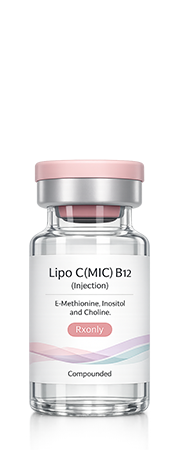
MIC+B12 Injection
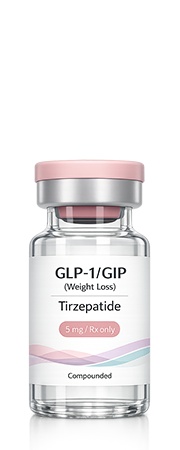
GLP-1 Weight Loss Program

Science Spotlight
Curious About the Science behind this Article?

Similar articles for You


























All diagnoses, treatment decisions, and prescriptions are made solely by licensed healthcare professionals after reviewing each patient’s health information. Payment does not guarantee a prescription, medication, or specific outcome.
Medication images and product visuals shown on this website are for illustrative purposes only. Actual formulations, packaging, and labeling may vary. Some medications available through BeMediq™ may be custom-compounded by licensed 503A U.S. pharmacies. These compounded formulations are prepared for individual prescriptions, have not been reviewed or approved by the U.S. Food and Drug Administration (FDA), and may differ from FDA-approved products. However, ingredients are typically sourced from FDA-registered suppliers, and pharmacies operate in compliance with state and federal compounding regulations.
Statements about potential benefits have not been evaluated by the FDA. These products are not intended to diagnose, treat, cure, or prevent any disease. Individual results may vary. Medications should only be used as directed and under the supervision of a licensed provider.
BeMediq™ is not affiliated with, endorsed by, or sponsored by the manufacturers of FDA-approved brand-name drugs such as Ozempic®, Wegovy®, Mounjaro®, or Zepbound®. These trademarks are the property of their respective owners.BeMediq™ services are intended for adults 18+ and are not for use in emergencies. If you are experiencing a medical emergency, call 911 or seek immediate in-person care. Availability of services may vary by state and is subject to provider licensure and applicable regulations.
All health data is handled securely in accordance with HIPAA and applicable privacy laws. Please review our Terms of Service and Privacy Policy for more information.