
Why Skin Changes With Age: A New Way to Understand the Biology, Hormones, Environment, Microbiome, and History Shaping Our Skin Over Time.
The Pursuit of Perfect Skin
"The skin is a mirror of what lies within." Old Saying
There is more truth in this old idea than we might first assume.
What lies within is biology.
Living cells. Blood vessels. Pigment-producing cells. Immune signals. Collagen and the extracellular matrix. Systems of protection, communication, renewal, and repair — all continuously responding to what happens inside us and around us.¹˒²
In our Beauty Manifesto, we explored how beauty is seen — and how society, identity, and biology all shape both the lens through which we see it and the way it is expressed.
Skin is where we begin to look more closely at that biological dimension — and there's a reason we begin here.
Why We're Drawn to Youthful Skin
Beautiful skin has long carried an almost instinctive appeal — soft, smooth, warm, evenly toned, faintly luminous. Skin that looks alive and feels inviting to touch.
We recognize these qualities in their purest form in the skin of infancy — the kind of skin no one has to be taught to find beautiful.³ Later, they become associated with youth, vitality, sensuality, and beauty.
And perhaps that is how one of beauty's most persistent desires was born: to keep the qualities we associate with youthful skin for as long as possible.
Smooth. Clear. Firm. Luminous. Almost untouched by time.
Perfect skin — and preferably forever.
There is nothing wrong with wanting it.
We want to care for our appearance. We want our skin to feel good. And yes, we may want to look in the mirror and like what we see.
The more interesting question is not why we want beautiful skin. It is where we have learned to look for it.
More often than not, the answer has been the surface.
Why We Look to Skincare First
When a line appears, we look for something to smooth it. When pigmentation becomes more visible, something to brighten it. When skin feels dry, something to moisturize it. When it loses firmness, something to tighten it.
A serum. A cream. A stronger active. A treatment. A new routine.
And sometimes, that is exactly what the skin needs.
Skincare can protect, support, and meaningfully change the skin. What we put on it matters.⁴⁻⁷
But skin never experiences skincare in isolation.
Every topical meets living tissue — shaped by what happens within us, what surrounds us, how we live, and everything that has accumulated over time.⁸⁻¹¹
Perhaps the old saying deserves a second look:
The skin may be a mirror of what lies within. But what we see in that mirror is rarely shaped by one thing alone.
Perhaps the pursuit of beautiful skin does not need to become less ambitious.
Perhaps it simply needs to go deeper.
Section 2: Skin Is More Than Its Surface
To go deeper, we first need to ask a broader question: Why does our skin change the way it does?
Why can skin that once felt predictable suddenly become dry, reactive, uneven, or newly prone to pigmentation and breakouts? Why does firmness change earlier for some women and much later for others? Why can two women of the same age differ so remarkably in their skin quality and appearance?
And when we call these changes aging, have we actually explained them — or have we simply given them a name?¹²

Why the Same Skin Change Can Have Different Causes
With every decade, these questions gain another layer — and they don't have the same answers at thirty-five as they do at sixty-five.
Hormonal transitions enter the picture. Years of sun and environmental exposure accumulate. Sleep, stress, metabolism, nutrition, health, and lifestyle leave their own histories.¹³ At the same time, the cellular systems responsible for protection, maintenance, and repair continue to change.
By the time we notice a change in the mirror, our skin already has a history.
Some of that history begins within us. Some of it comes from the world around us. And some of it is written through the way we live.
Where Skin's History Comes From
But these influences rarely stay neatly in their own categories.
Food begins outside the body, then becomes nutrition, metabolism, and cellular material. Stress may begin with an experience, then continue through hormonal, immune, and metabolic signaling. Sunlight reaches the skin from the outside, yet can trigger molecular changes within its cells.

What begins outside us can become biology. And what happens within us can eventually become visible on the outside.⁸⁻¹⁰
This is why the surface alone can't explain the whole picture.
To understand why skin changes — and what we may be able to support, protect, or influence — we need to widen the lens.
We need to look at the larger world in which skin exists.
Section 3: The Universe Your Skin Lives In
There is an entire universe shaping our skin.
Like the universe we live in, it is made up of many smaller worlds — different environments, interactions, and forces, constantly influencing one another.
To begin making sense of that complexity, we can look at three of them.
The Three Worlds Shaping Your Skin
There is the universe within us — our own biology, from what is happening throughout the body to what is happening in the skin itself. Hormones, metabolism, circulation, immune activity, and cellular processes are all part of this world.¹⁰˒¹¹
There is the universe around us — the physical world our skin encounters every day: sunlight, air, pollution, climate, water, and countless other environmental exposures.⁸˒⁹
And then there is a third universe.
It is neither our own biology nor simply the world outside us.
It lives directly on our skin.
The Skin Microbiome: A World Living on Our Skin
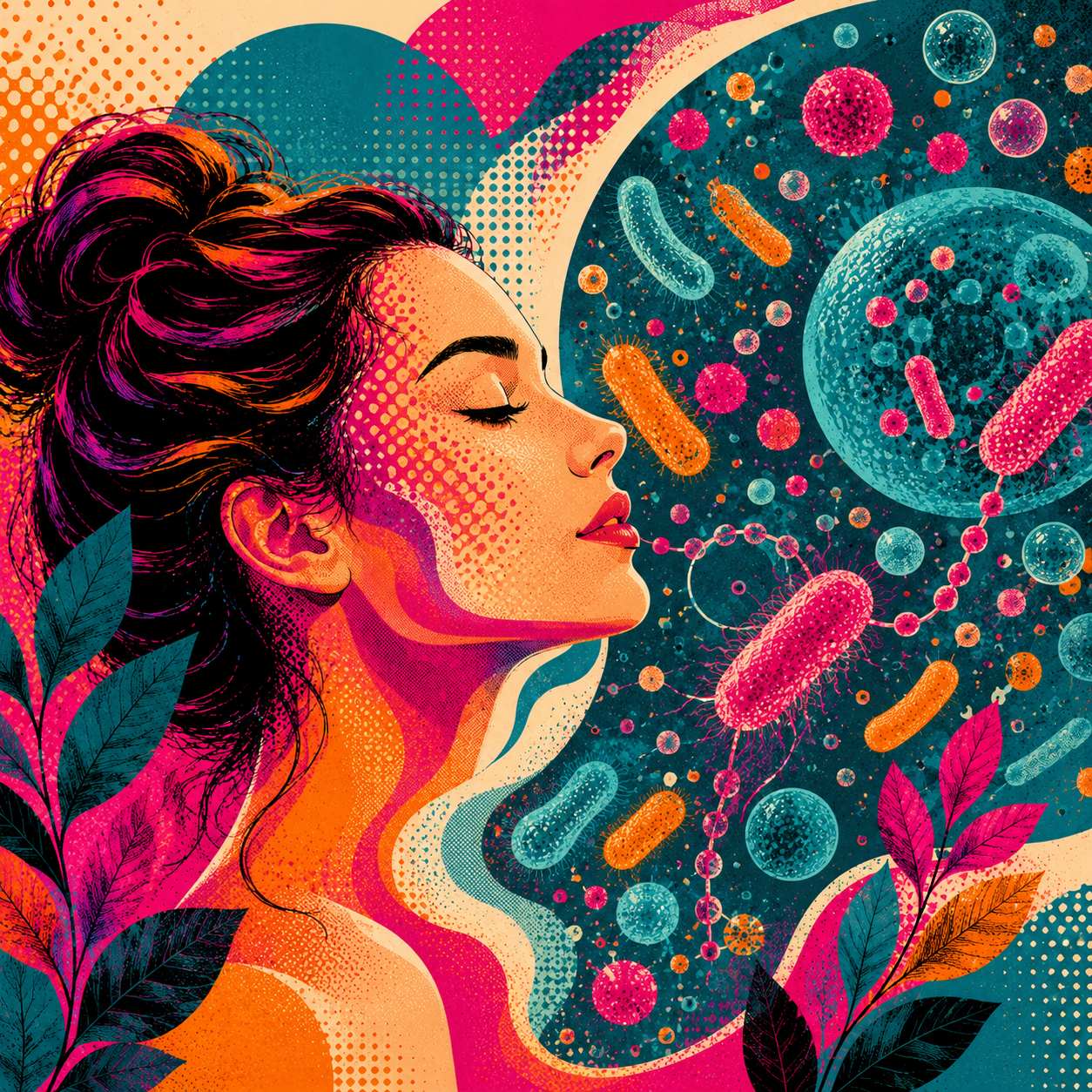
Our skin is home to communities of bacteria, fungi, viruses, and other microorganisms that together form what we call the skin microbiome.¹⁴˒¹⁵
They do not simply occupy the surface. They interact with the skin barrier, sebum, pH, immune activity, one another, and the world around us.¹⁴˒¹⁵
This microbial world lives exactly at that boundary, between our bodies and what surrounds them.
Between these three worlds are we.
Through the way we live, we interact with all three — influencing their conditions directly and indirectly, consciously and unconsciously.⁸˒⁹˒¹⁶
We cannot control these worlds completely. But we are not simply passive observers, either.
Our skin lives where these worlds meet.
Where Skincare Fits Into the Bigger Picture
This larger universe is easy to forget when a new skincare ingredient promises transformation.
We would all love the fairy tale: one extraordinary extract, one cream, one treatment — and somehow the skin becomes smooth, firm, luminous, almost untouched again.
Some ingredients can do remarkable things. They can hydrate, protect, influence pigmentation, support barrier function, stimulate specific pathways, and meaningfully change how skin looks and behaves.⁴⁻⁷
Even the best topical behaves like rainfall.
Rain doesn't simply sit on the ground. It enters it. It changes it. It can hydrate dry soil, support growth, and transform what we see on the surface.
But rain alone cannot shape the whole landscape it falls on.
The condition of the soil matters. The climate matters. What has accumulated over time matters. What is happening beneath the surface matters.
Skin is not so different.
What we put on it can matter enormously. Some ingredients can reach beyond the outermost surface and influence biological processes within the skin itself.¹⁷ But no single topical can govern the entire biological world the skin belongs to.
That doesn't make skincare less important. It puts skincare in context.
Section 3
The Universe Your Skin Lives In
Your skin is shaped by three interconnected worlds. Understanding each one helps us see skin not as an isolated surface, but as part of a larger, living system.
Three worlds. Countless connections.

.svg)
The Universe
Within Us
The biology beneath the surface — from hormones and metabolism to nutrients, immunity, circulation and cellular processes.


The Universe
Around Us
The external world our skin encounters — from light and air to climate, water and environmental exposures.

The Universe
On Our Skin
The microbial ecosystem living at the skin’s surface — and its relationship with the barrier, the environment and us.

How We Live
Food, sleep, movement, stress, smoking, alcohol, and skincare are part of how we live. They influence all three worlds — and are woven throughout every article.
Section 4: Is Age Really the Explanation?
Imagine, for a moment, that we could create the best possible conditions for our skin.
That everything within our influence was working in its favor.
And imagine that we could keep those conditions perfectly stable.
Would our skin remain unchanged?
If it did, the same logic would have to apply to the rest of our biology. Our entire body would remain in the state in which we were born.
But it doesn't.
The body of a newborn becomes the body of a child. The body of a child becomes the body of an adolescent. The body of an adolescent becomes the body of an adult.
And our skin changes with it.¹⁸
If we consider change over time to be aging, then aging would have to begin at birth.
Yet that is not how we usually think about aging.
We watch a newborn become a child, a child become an adolescent, and an adolescent become an adult, and we call those changes growth and development.
At some point, the language changes.
Growth becomes aging.
But when?
And what exactly has changed — other than the way we describe it?
Something clearly has. The question is what.
How Our Skin Builds a History Over Time
Time itself has been there all along.
It was there while the body was growing, while it was maturing, and it remains there as the body continues to change.
But time does not act on an empty canvas.
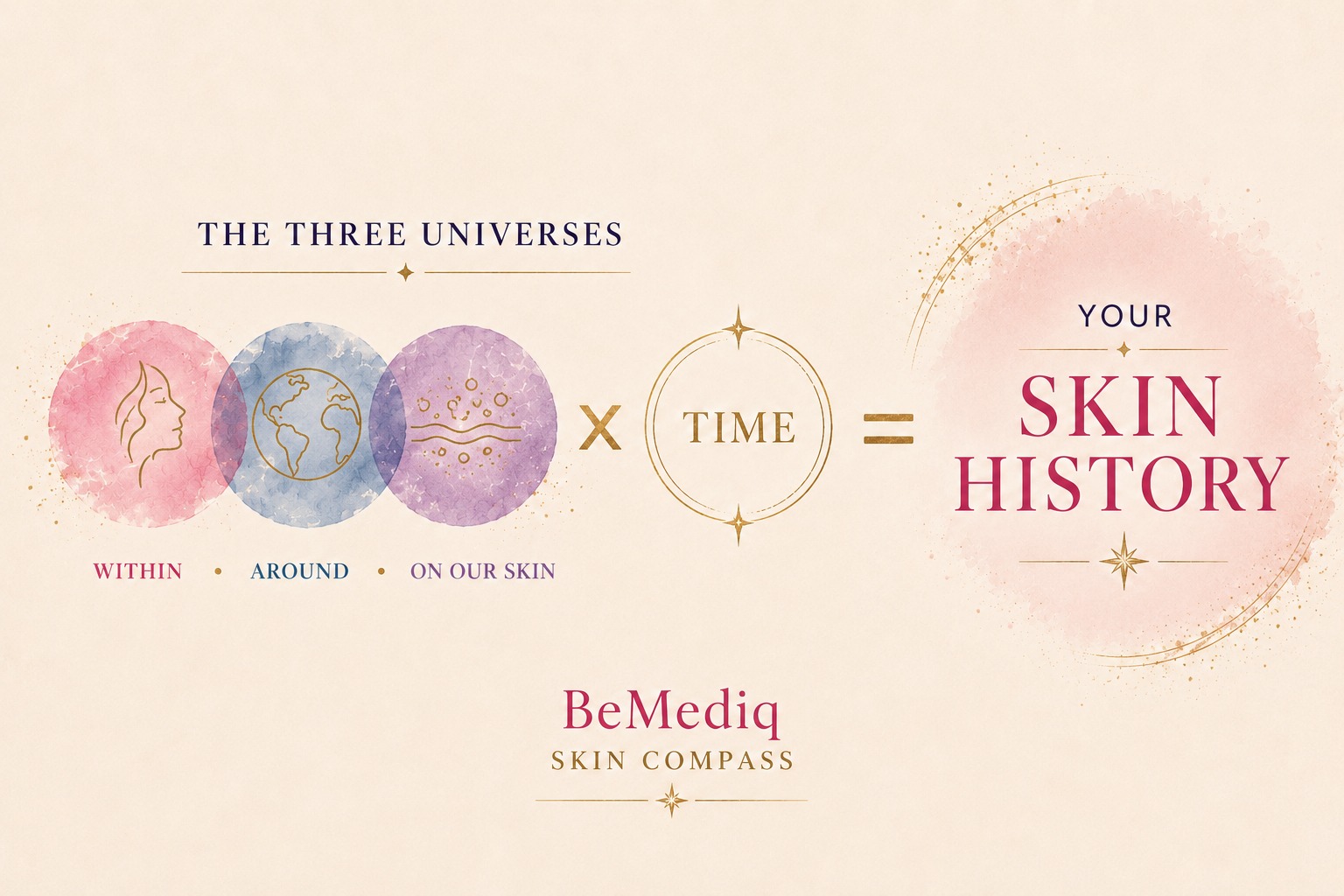
It moves through the same three universes we have already encountered — through our biology, through the world around us, and through the microbial world living on our skin.
And none of those worlds remains exactly the same as the years pass.
This is how skin acquires a history.
That history is written through what happens within us, what our skin encounters, and the relationships between these worlds over time.
A single day may leave very little behind. Across years and decades, some influences accumulate, others disappear, some repeat, and our biology keeps adjusting, repairing, and recalibrating.
To make this interplay easier to see, we can think of it as a simple model:
Why the Same Exposure Can Affect Skin Differently
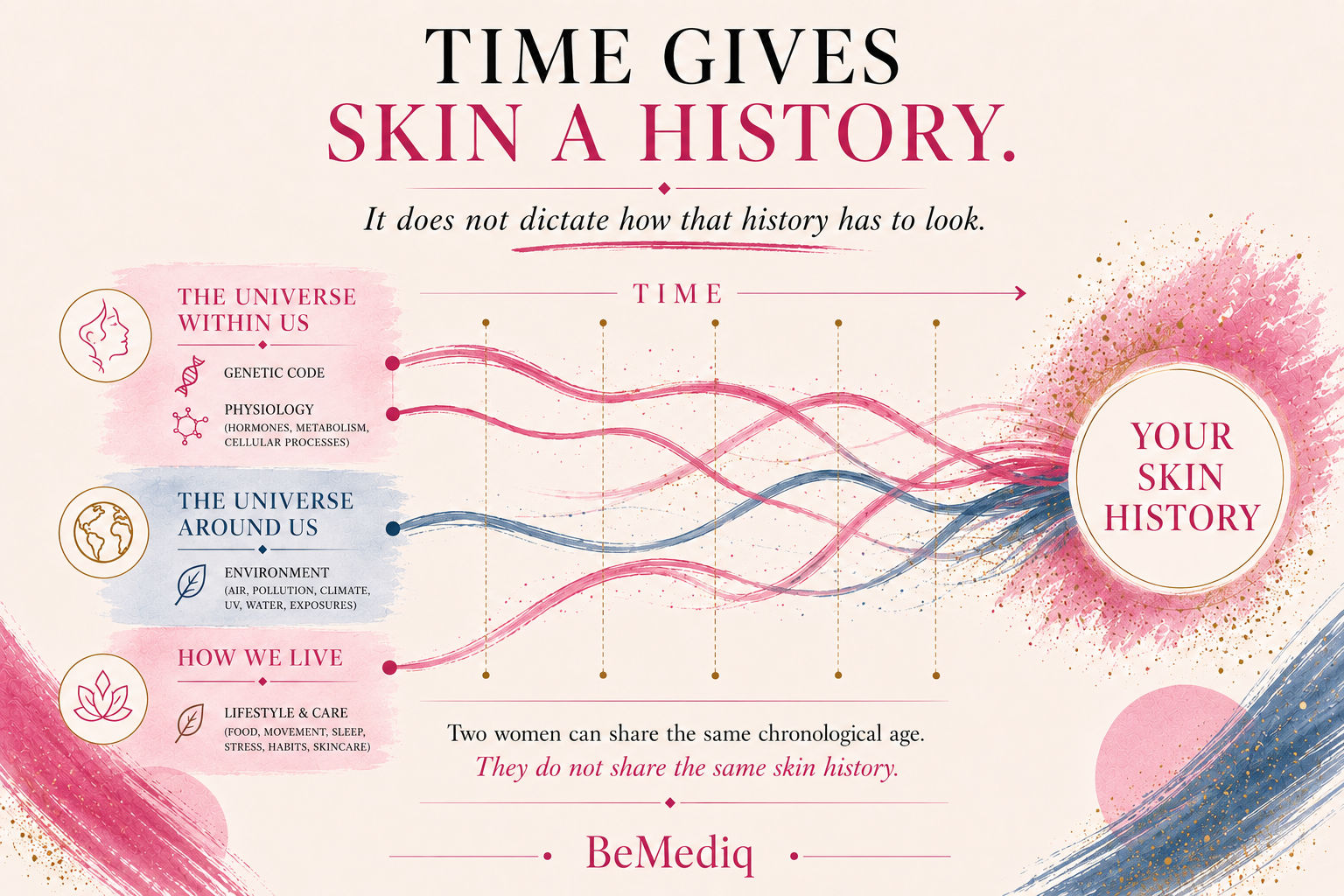
Time passes for everyone. What happens within that time — and how our biology responds to it — does not.
The same exposure does not necessarily produce the same response in every person.⁸˒¹⁹˒²⁰
Exposure is only one part of the equation. Response is another.
And there is another response in this story, too.
Ours.
We cannot choose every condition our skin encounters. We cannot control every biological response that follows.
But neither are we simply carried through time by them.
We are shaped by what happens to us. But through the way we respond, we can also shape what happens next.
Our genetics shape where we start — how our skin tends to respond, protect, and repair. But they do not write every line of the story alone.
Neither does time.
And this is why chronological age can tell us only part of the story.
It can tell us how many years a woman has lived.
It cannot tell us what happened during those years.
Two women can be sixty years old and have lived through sixty very different years.
Their biology may not have followed the same path. They may have encountered different worlds — or responded differently to remarkably similar ones.
They share the same chronological age.
They do not share the same skin history.
This doesn't make age irrelevant. Biological processes change across the lifespan, and many of those changes affect how skin functions, repairs, and looks.
NAD⁺, Glutathione, and the Biology of Skin Aging
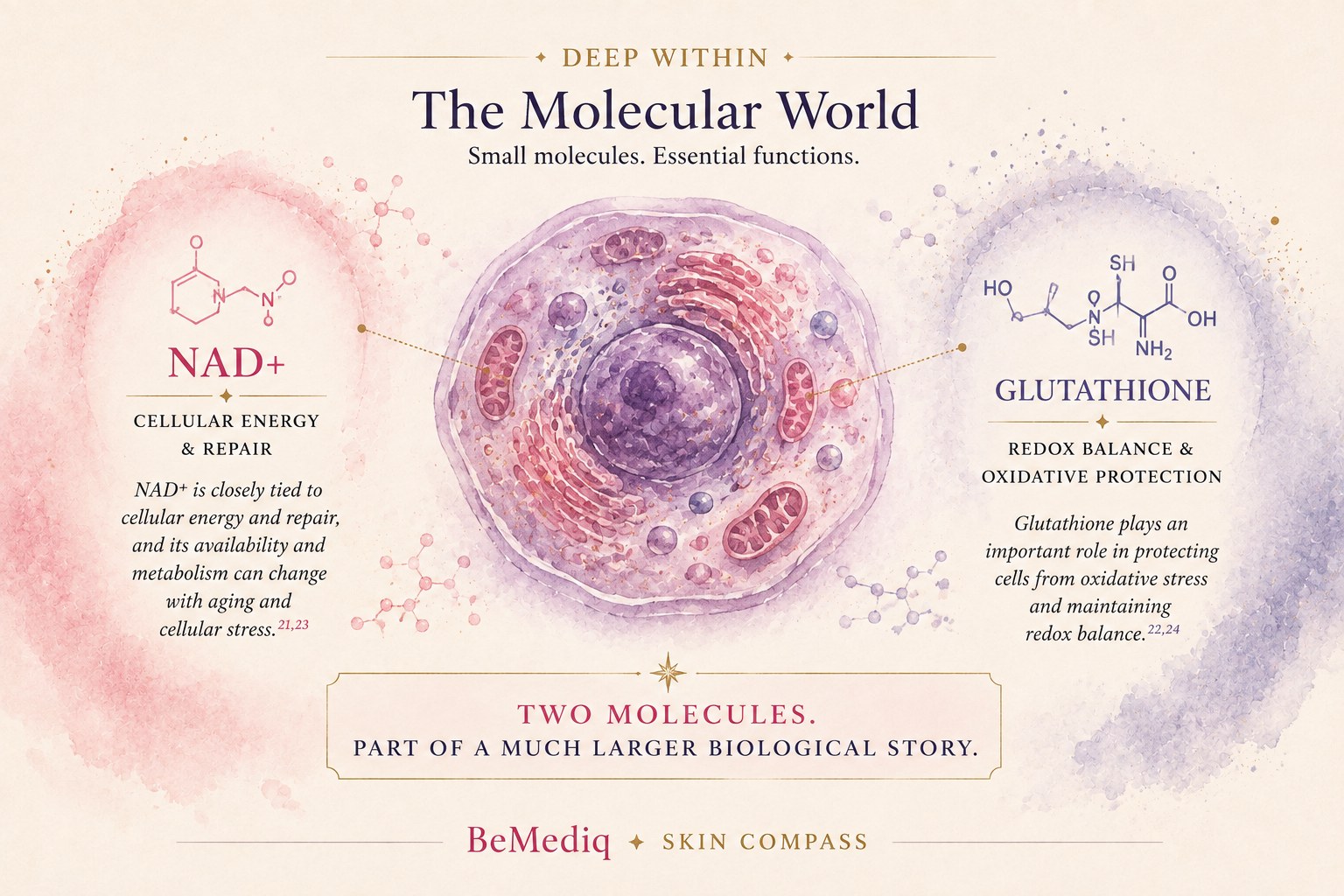
Some of those changes happen far beneath what we can see. The molecules our cells rely on to produce energy, repair damage, and protect themselves do not necessarily remain unchanged across a lifetime.²¹˒²²
Two of them have received growing scientific attention in recent years: NAD⁺ and glutathione. NAD⁺ is closely tied to cellular energy and repair, while its availability and metabolism can change with aging and cellular stress.²¹˒²³ Glutathione plays an important role in protecting cells from oxidative stress and maintaining redox balance.²²˒²⁴
However, they are only two examples of a much larger biological story unfolding out of sight.
How Perimenopause and Menopause Can Change the Skin
Hormonal transitions offer another example. Perimenopause, menopause, and the years that follow can change the biological environment in which the skin functions.²⁵˒²⁶˒²⁷
Shifts in ovarian hormones may influence collagen, skin thickness, elasticity, hydration, and other processes that shape how skin looks and behaves.²⁶˒²⁸⁻³⁰
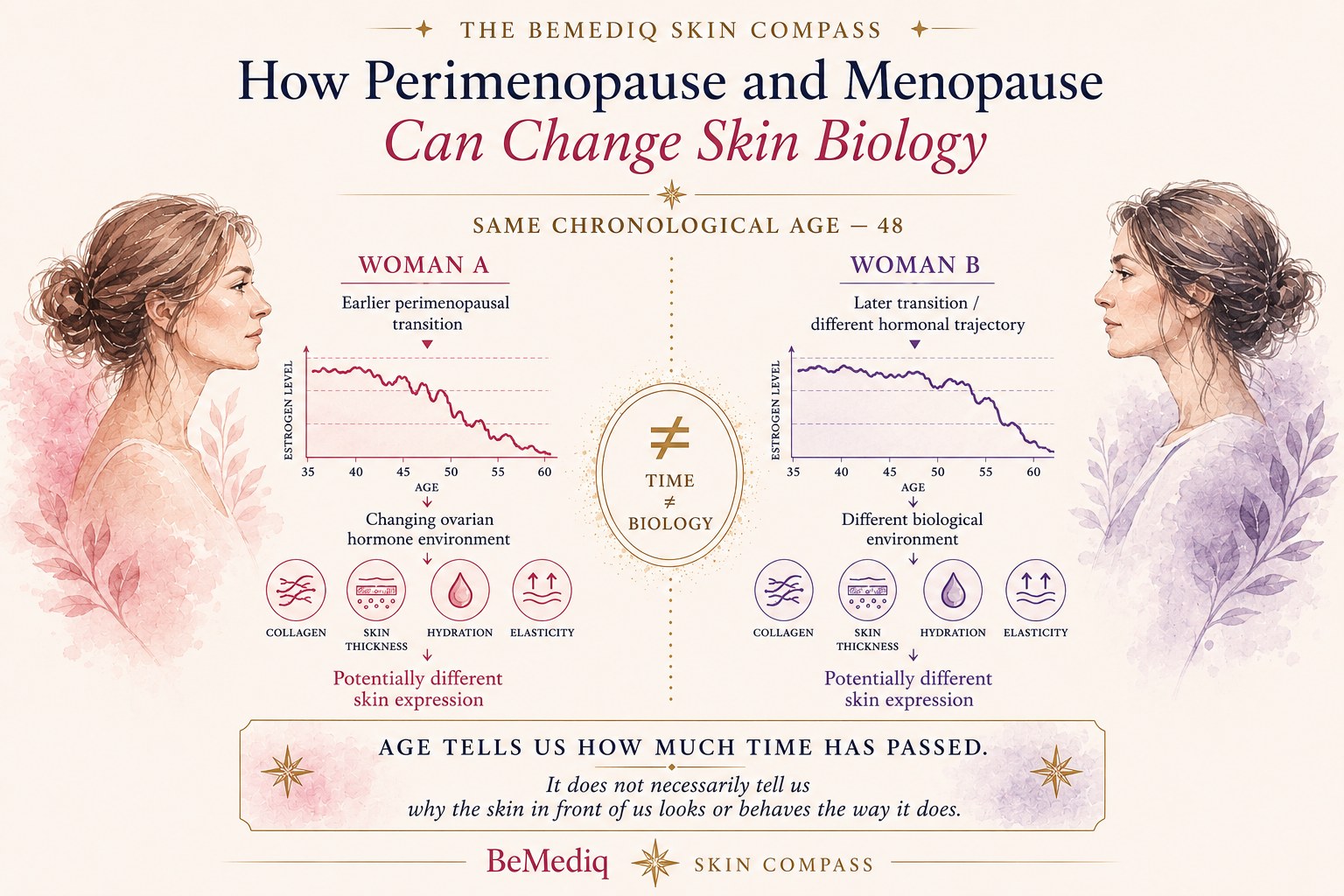
These changes happen alongside chronological aging, but chronological age alone cannot fully explain them.
Saying "it's age" can collapse an extraordinarily complex history into a single number.
Age tells us how much time has passed.
It does not necessarily tell us why the skin in front of us looks or behaves the way it does.
Section 5: When Change Becomes Visible
Your body is changing every second. Most of those changes happen without us ever noticing them.
Cells communicate, molecules are made and broken down, tissues renew, hormones fluctuate, damage is repaired, energy is produced and used. An extraordinary amount of biology unfolds beneath the surface without ever entering our awareness.
And then, every so often, something changes that we can see.
We have experienced this before.
As girls, we move through one of the most remarkable transformations of our lives: the transition into womanhood. Our bodies change shape. Our skin can change. Hair appears where there was none before. Hormones reshape not only what is happening within us, but what we see on the outside.³¹
For a while, we can almost feel unfamiliar to ourselves.
And although every girl's experience is different, there is something almost universal about the awkwardness of that transition: the person in the mirror is changing faster than our sense of familiarity can keep up.
The transformations do not stop when adolescence ends.
What changes is how often we notice them.
Most of the time, we don't see our biology changing.
Until one day, we do.
A breakout that wasn't there yesterday. Dark circles after a week of poor sleep. A patch of pigmentation we don't remember seeing before. The first line that remains after our expression has disappeared.
Sometimes the change is temporary. Sometimes it stays. Sometimes it returns.
And almost always, it arrives uninvited.
Nearly every woman knows that moment: something about the face looking back at us is suddenly different from the face we had come to know.
Our instinct is often immediate.
Why We Want to Correct Skin Changes First
We look for the miracle fix.
The serum, treatment, supplement, or pill that promises to make what appeared today disappear by tomorrow.
Something that can clear it, fade it, smooth it — and return the skin to the way it was before.
We search for the fastest way to make the change vanish, often before we stop to ask why it appeared at all.
But before correction comes a more useful question:
What happened?
The Same Skin Change Can Tell a Different Story
What we see is an observation. It is not yet an explanation.
The first wrinkle at thirty-two and the first wrinkle at sixty-two may look similar in the mirror, but they do not necessarily carry the same history. A breakout after changing a skincare product belongs to a different context than breakouts that begin appearing repeatedly alongside a hormonal transition. Pigmentation after years of intense sun exposure raises different questions than pigmentation that suddenly changes in pattern or intensity.
The observation may look similar. The context can change its meaning.
The same visible change can carry a very different history.⁸˒⁹˒²⁷
That is why timing matters. So does frequency. Whether the change disappears or returns. Whether it remains stable or progresses. What was happening before it appeared. What else may have changed at the same time.
Not because every wrinkle, breakout, or patch of pigmentation needs to become a medical investigation.
But because the surface gives us the observation — context helps us begin to interpret it.
And that creates a different relationship with change.
Instead of immediately asking:
How do I correct this?
we can first ask:
What might this be telling me?
A reason to become curious before becoming corrective.
EVERY CHANGE IS A SIGNAL. NOT EVERY SIGNAL IS A DIAGNOSIS.
A visible change is information. But information still needs context.
Why Context Matters for Breakouts, Lines, and Pigmentation
Most women know the moment.
There is an important date. A job interview. A birthday. A gala. Something you have been looking forward to for weeks.
And there it is.
The uninvited breakout.
Maybe hormonal fluctuations played a role. Maybe the days leading up to the event were unusually stressful. Maybe you introduced a new cream your skin didn't tolerate particularly well. Maybe you changed the way you were eating in the weeks leading up to the event.³²˒³³
Or maybe several small things came together at once.³²˒³³
The breakout itself cannot tell us which one.
But the breakout itself is only the visible part of the story.
A single breakout may mean very little. Breakouts that begin to recur, become more frequent, or appear alongside other changes tell a different story.
A line that develops gradually after years of facial movement and sun exposure carries a different context from a noticeable change in skin quality over a relatively short period.
Changes in pigmentation may reflect cumulative UV exposure. It may also be influenced by hormones, inflammation, injury, medications, or other factors that affect pigment production and signaling.³⁴⁻³⁶
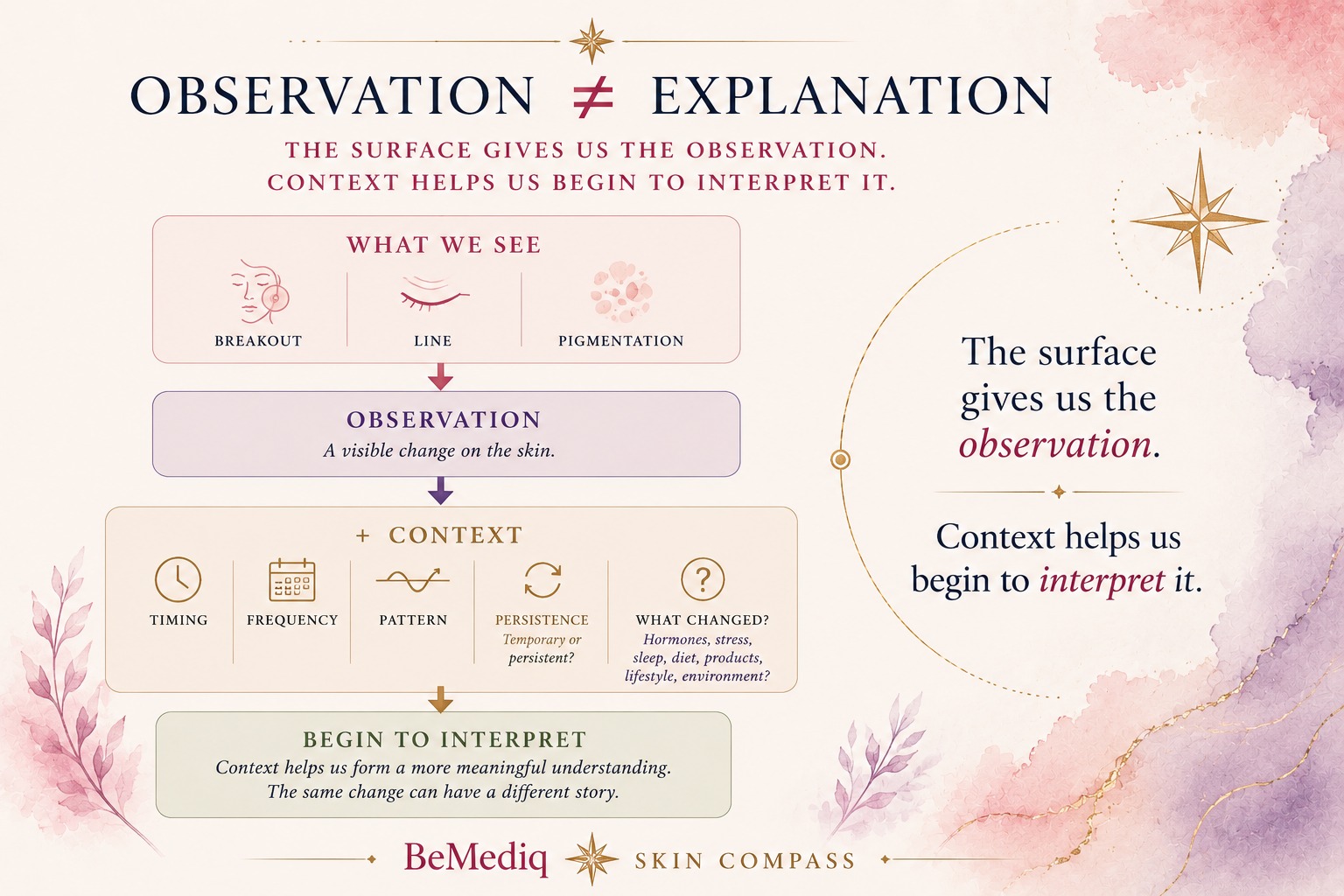
The visible change is the signal. Its meaning lies in the context.
None of these observations, on their own, is a diagnosis.
Not every signal means something is wrong. Sometimes the skin is simply doing what living tissue does: responding to changing conditions.
But there are moments when the question is no longer only about appearance, quality, or function.
It becomes a question about health.
Section 6: When the Question Goes Beyond Beauty
Beauty and health can meet on the same surface, but they do not always ask the same questions.
Dryness, pigmentation, breakouts, changes in texture, or a loss of firmness can all be part of the conversation about skin quality. But not every change stays inside that conversation. Some quietly become part of another one — one that calls for medical evaluation rather than cosmetic interpretation.
The boundary is not always obvious at first. Standing in front of the mirror, we don't always know right away which conversation we're having.
What matters is not only what we see, but how it behaves over time. A change that persists, progresses, causes symptoms, bleeds, heals poorly, or changes in an unusual way can shift the nature of the question.³⁷˒³⁸
This is not an invitation to diagnose the skin from the mirror. It is an invitation to know when the mirror is no longer enough.
That distinction matters.
We don't need to pathologize cosmetic changes. But we shouldn't trivialize them, either.
When the question moves beyond beauty, the answer is unlikely to be found in a stronger serum or a more elaborate routine.
That is where the mirror gives way to dermatological evaluation.
Section 7: Learning to Read the Skin
We already know this instinct — the wish to correct before we understand.
Skin rarely gives us the answer.
It gives us clues.
A breakout. A change in pigmentation. A new sensitivity. A shift in texture. Each tells us that something is happening, but none tells us the whole story on its own.
Understanding that story requires a little detective work.
Not because there must be something wrong. And not because every change needs an explanation.
But when something persists, returns, or simply feels unfamiliar enough to make us wonder, it can be worth looking more closely.
When did it begin? What was happening around that time? Has it happened before? Does it come and go? What else changed?
What Tracking Skin Changes Can Reveal
Our memory is rarely as precise as we think it is.³⁹˒⁴⁰ We may remember that our skin became worse "sometime in spring," but not that it happened three weeks after starting a new supplement, around the same time our sleep changed, or during a period when our cycle had begun to shift.
This is where something surprisingly simple can become useful:
Document the story.³⁹˒⁴⁰
Not every detail of every day. Just enough to begin seeing what memory alone can easily miss.
That might mean noting what was happening to the skin alongside the things that were changing around it — skincare, medications or supplements, eating patterns, sleep, stress, the menstrual cycle, illness, travel, or a new environment.
Over time, what first looked like a collection of unrelated events may begin to reveal a pattern.
Or it may not.
Both are information.
Sometimes the clues lead us to the world around us — a product, an irritant, too much sun, or another exposure.
Sometimes they lead to the world on our skin, and to the conditions shaping its microbial communities.
And sometimes the pattern points further inward.
When Skin Changes Call for a Closer Look
That is when investigation can become more targeted.
There is no universal panel of tests that can explain the skin.⁴¹˒⁴²
When the history gives us a reason to look further, the questions can become more specific. Depending on what we have observed, that may mean looking more closely at medications, hormonal changes, nutritional or metabolic factors, inflammation, allergies, or another aspect of health — sometimes with targeted laboratory testing when clinically appropriate.⁴¹˒⁴²
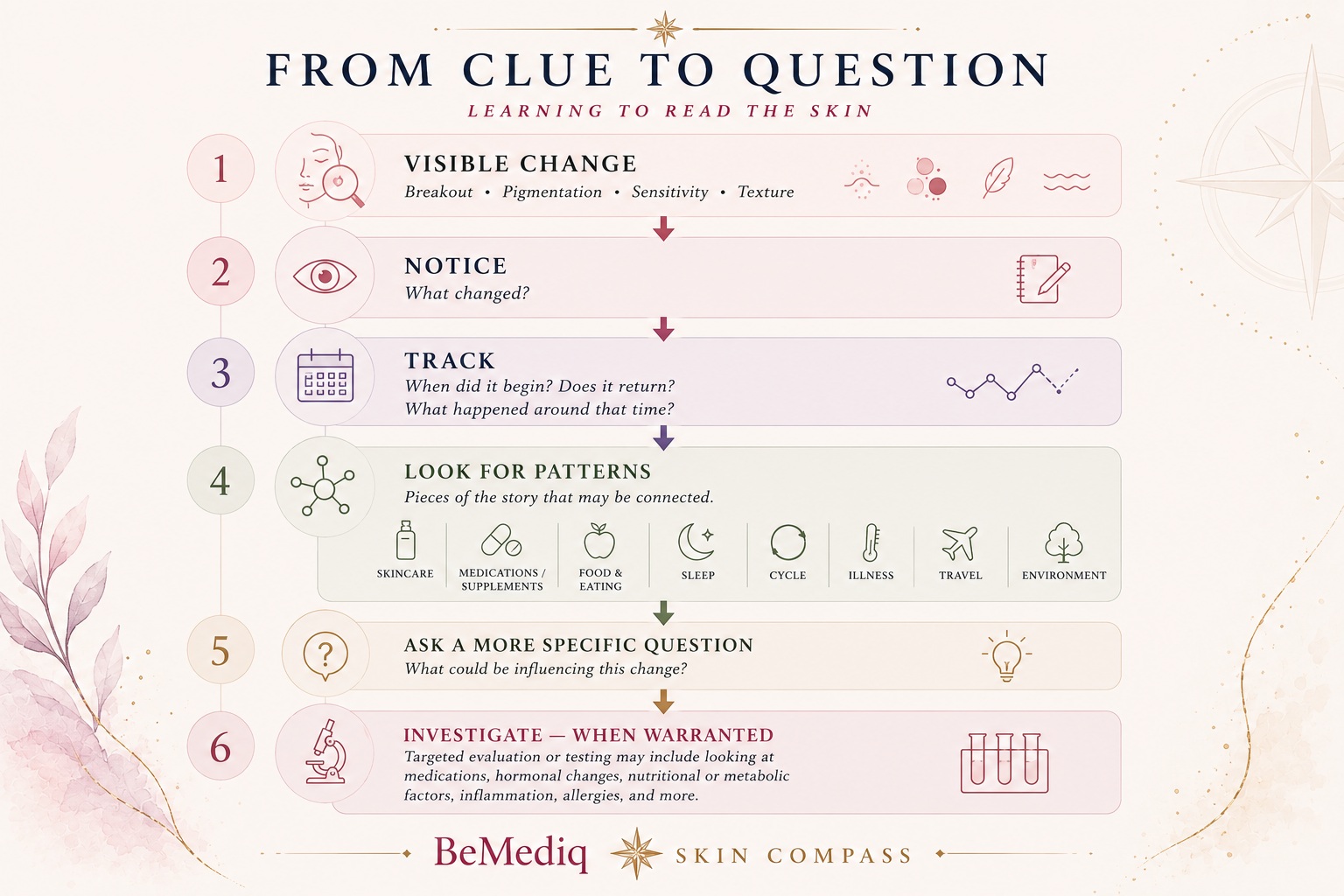
The point is not to test everything. It is to know what question a test is meant to answer.⁴¹˒⁴²
Section 8: From Understanding to Action
Understanding doesn't just explain the skin. It changes what we can do for it.
We now have three worlds to consider: the universe within us, the universe around us, and the universe on our skin.
And between them are we — interacting with all three through the way we live.
Where can we make a meaningful difference?
The answer depends on where the relevant influence lies.
Sometimes that influence is close to the surface: an impaired barrier needs support, an irritant needs to be removed, or a topical treatment may be exactly what the skin needs.⁴˒⁵˒⁴²
At other times, what appears on the skin leads us elsewhere — to something in our environment, something happening within the body, or a shift in the conditions at the surface where our skin and its microbial world meet.
And because these worlds constantly interact, the answer may not belong to only one of them.
What We Can Change — and What We Cannot
We cannot control every influence shaping our skin.
Our genetic code is not ours to rewrite. Time does not move backwards. We cannot remove the sun from the sky or prevent our bodies from moving through biological transitions.
But influence is not the same as control.
Some influences can be removed. Others can be reduced. Some biological needs can be supported or, when appropriate, medically addressed. And some things cannot — and do not need to — be changed at all.
The point is not to intervene everywhere.
It is to understand where our influence can actually matter.
And sometimes, understanding leads to an equally important conclusion: there may be nothing that needs to be fixed.
Healthy skin can have pores. It can have lines. It can have variations in pigmentation. It changes with expression, environment, hormones, and time.
Understanding the story behind our skin does not mean trying to control every part of it.
It means learning what needs attention, what can be supported, what can be changed — and what simply belongs to us.
Section 9: A Different Way to Think About Skin and Age
If skin is a mirror of what lies within, what exactly is it reflecting?
By now, the answer has become larger than the old saying suggests.
It reflects what happens within us. But it also carries traces of the world around us, the microbial world living on us, and the history created as all three move through time.
Perhaps the mirror was never only facing inward.
The model we have built gives us a wider lens. It allows us to see more of what may be shaping our skin — and with that wider view comes greater freedom to decide how we want to respond to change.
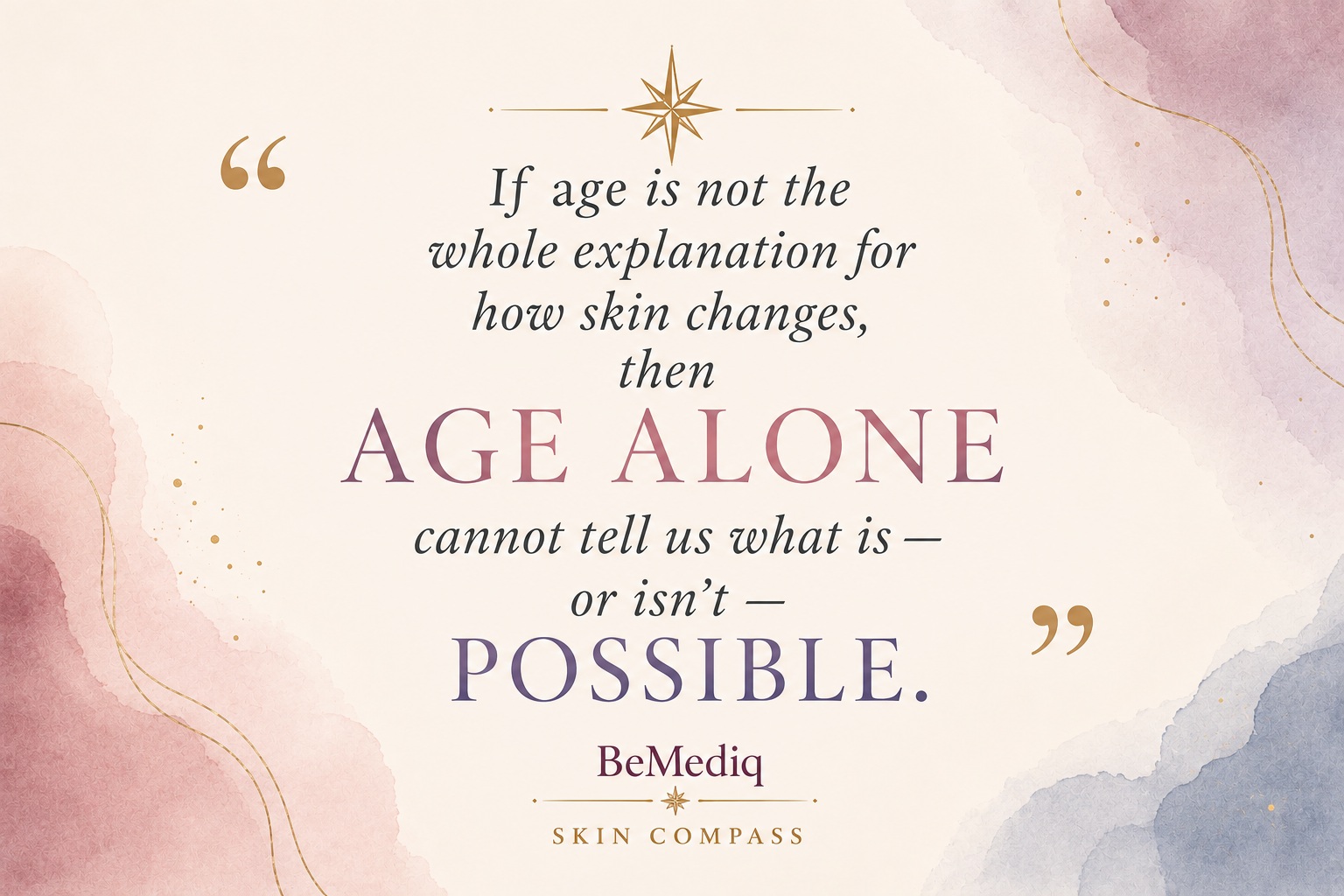
If age is not the whole explanation of skin changes, then age alone cannot tell us what is — or isn't — possible.
And knowledge gives us something far more valuable than another promise of perfect skin: the ability to make those choices with greater understanding.
Understanding changes our position.
We are no longer simply on the receiving end of a diagnosis, a product promise, or the familiar explanation that "it's just aging."
We can begin to see connections. Ask better questions. Make more informed decisions. Distinguish between what deserves attention, what may be worth investigating, what we may be able to influence — and what may not need changing at all.
Knowledge does not give us control over everything that happens to our skin. It makes us better equipped to respond.
And today, we know more than ever about the worlds shaping our skin — what happens within us, what lives on us, what surrounds us, and how the way we live can influence all three.
That knowledge has expanded what is possible in ways previous generations could hardly have imagined.
But more possibilities do not automatically create better decisions.
Understanding does.
And perhaps that is where beauty across a lifetime deserves a different perspective.
Every stage brings change. But change does not reduce a woman to her age, nor does age define the beauty that remains, develops, or becomes newly visible.
The purpose is not to make every woman look the same, or to make every age look younger. After all, if younger were the measure of better, its logic would eventually lead us all the way back to infancy.
It is to give every woman the knowledge to understand her own skin — and the agency to decide what, if anything, she wants to support, protect, investigate, or change.
From here, the path forward isn't one path.
It's as many as there are questions still worth asking.
[Navigation: explore by topic]
Editorial Note — About the BeMediq Skin Compass
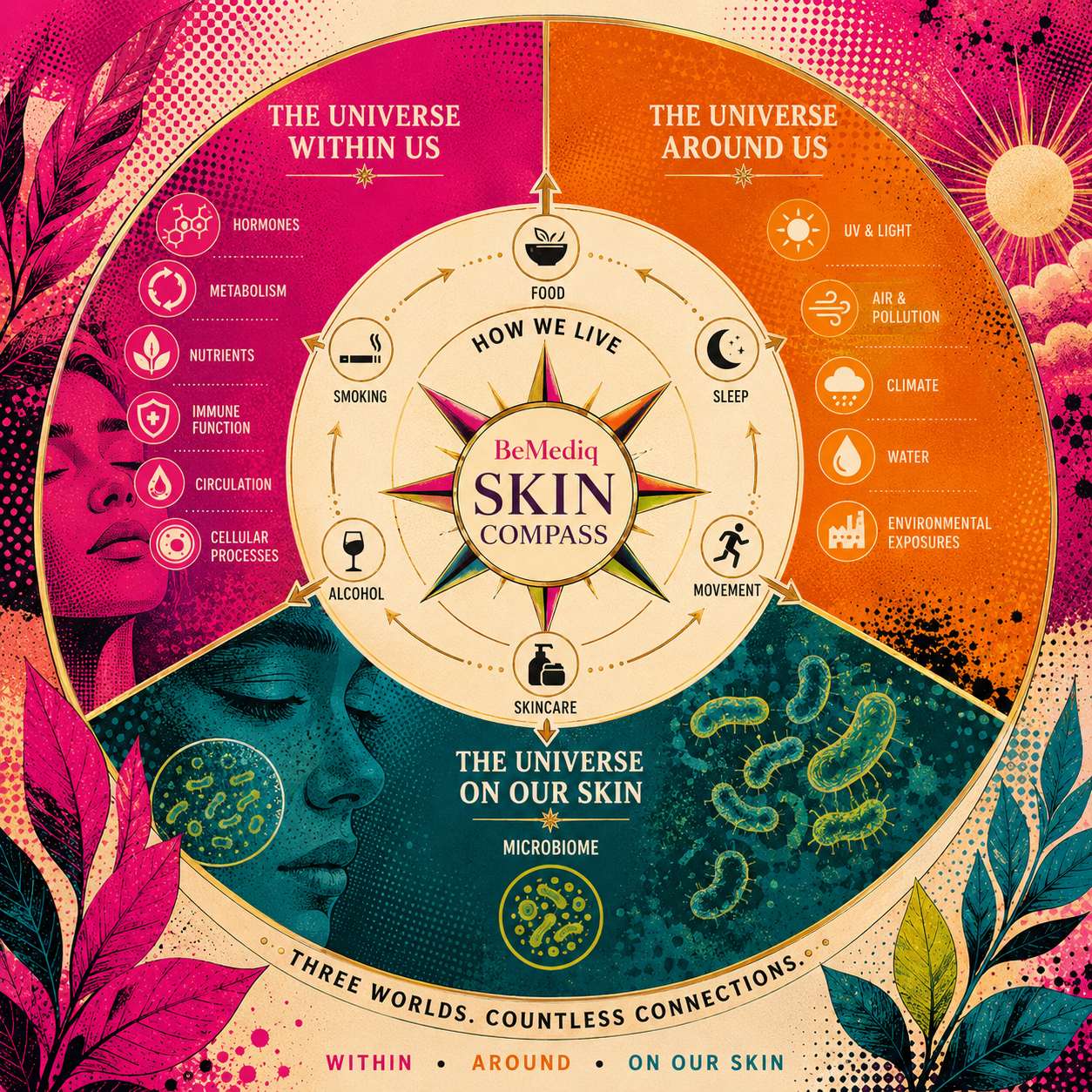
At its core, the BeMediq Skin Compass is an editorial framework for understanding skin changes in context rather than viewing them through age, appearance, or skincare alone.
The model is not intended to capture every factor or relationship. It is a framework for making a complex picture easier to see — helping women understand context, recognize connections, ask better questions, and explore the topics that may matter to them.
Like a compass, it is not designed to tell a woman which direction she should take. It is designed to help her understand where she is — and which directions may be available to her.
The BeMediq Skin Compass is educational in nature and is not a substitute for individualized medical evaluation or care.
The BeMediq Skin Compass is designed to help women navigate the complexity of the many questions surrounding their skin. It draws on current scientific understanding to organize some of the influences that can shape skin across a woman's lifetime into a simplified model — with particular attention to female biology, hormonal transitions, and the ways these interact with the environment, the skin microbiome, lifestyle, and time.
References
- Fukuda K, Ito Y, Amagai M. Barrier Integrity and Immunity: Exploring the Cutaneous Front Line in Health and Disease. Annual Review of Immunology. 2025;43(1):219–252. doi:10.1146/annurev-immunol-082323-030832. View on PubMed
- Lefèvre-Utile A, Braun C, Haftek M, Aubin F. Five Functional Aspects of the Epidermal Barrier. International Journal of Molecular Sciences. 2021;22(21):11676. doi:10.3390/ijms222111676. View on PubMed
- Stamatas GN, Nikolovski J, Mack MC, Kollias N. Infant skin physiology and development during the first years of life: a review of recent findings based on in vivo studies. International Journal of Cosmetic Science. 2011;33(1):17–24. doi:10.1111/j.1468-2494.2010.00611.x. View on PubMed
- Lin L, Chen X, Liu C, et al. Comparative efficacy of topical interventions for facial photoaging: a network meta-analysis. Scientific Reports. 2025;15:26889. doi:10.1038/s41598-025-12597-0. View on PubMed
- Draelos ZD. The Skin Barrier and Moisturization: Function, Disruption, and Mechanisms of Repair. Skin Pharmacology and Physiology. 2023;36(4):174–185. doi:10.1159/000534136. View on PubMed
- Hughes MCB, Williams GM, Baker P, Green AC. Sunscreen and prevention of skin aging: a randomized trial. Annals of Internal Medicine. 2013;158(11):781–790. doi:10.7326/0003-4819-158-11-201306040-00002. View on PubMed
- Guan LL, Lim HW, Mohammad TF. Sunscreens and photoaging: a review of current literature. American Journal of Clinical Dermatology. 2021;22(6):819–828. doi:10.1007/s40257-021-00632-5. PMID:34387824. View on PubMed
- Krutmann J, Bouloc A, Sore G, Bernard BA, Passeron T. The skin aging exposome. Journal of Dermatological Science. 2017;85(3):152–161. doi:10.1016/j.jdermsci.2016.09.015. PMID:27720464. View on PubMed
- Passeron T, Krutmann J, Andersen ML, Katta R, Zouboulis CC. Clinical and biological impact of the exposome on the skin. Journal of the European Academy of Dermatology and Venereology. 2020;34(Suppl 4):4–25. doi:10.1111/jdv.16614. PMID:32677068. View on PubMed
- Böhm M, Stegemann A, Paus R, Kleszczyński K, Maity P, Wlaschek M, et al. Endocrine controls of skin aging. Endocrine Reviews. 2025;46(3):349–375. doi:10.1210/endrev/bnae034. PMID:39998423. View on PubMed
- Hussein RS, Bin Dayel S, Abahussein O, El-Sherbiny AA. Influences on skin and intrinsic aging: biological, environmental, and therapeutic insights. Journal of Cosmetic Dermatology. 2025;24(2):e16688. doi:10.1111/jocd.16688. PMID:39604792. View on PubMed
- Wong QYA, Chew FT. Defining skin aging and its risk factors: a systematic review and meta-analysis. Scientific Reports. 2021;11(1):22075. doi:10.1038/s41598-021-01573-z. PMID:34764376. View on PubMed
- Nwaopara A, Woolery-Lloyd H. A Review of the Effects of Lifestyle Factors on Skin Aging. American Journal of Lifestyle Medicine. 2026. Online ahead of print. doi:10.1177/15598276261450495. PMID:42145807. View on PubMed
- Byrd AL, Belkaid Y, Segre JA. The human skin microbiome. Nature Reviews Microbiology. 2018;16(3):143–155. doi:10.1038/nrmicro.2017.157. PMID:29332945. View on PubMed
- Lee HJ, Kim M. Skin barrier function and the microbiome. International Journal of Molecular Sciences. 2022;23(21):13071. doi:10.3390/ijms232113071. PMID:36361857. View on PubMed
- Kortekaas Krohn I, Callewaert C, Belasri H, De Pessemier B, Diez Lopez C, Mortz CG, et al. The influence of lifestyle and environmental factors on host resilience through a homeostatic skin microbiota: An EAACI Task Force Report. Allergy. 2024;79(12):3269–3284. doi:10.1111/all.16378. PMID:39485000. View on PubMed
- Sorg O, Antille C, Kaya G, Saurat JH. Retinoids in cosmeceuticals. Dermatologic Therapy. 2006;19(5):289–296. doi:10.1111/j.1529-8019.2006.00086.x. PMID:17014484. View on PubMed
- Stamatas GN, Roux PF, Boireau-Adamezyk E, Lboukili I, Oddos T. Skin maturation from birth to 10 years of age: Structure, function, composition and microbiome. Experimental Dermatology. 2023;32(9):1420–1429. doi:10.1111/exd.14843. PMID:37302006. View on PubMed
- Chazal M, Roux E, Alapetite C, Roulin C, Moustacchi E, Douki T, et al. Interexperimental and interindividual variations of DNA repair capacities after UV-B and UV-C irradiations of human keratinocytes and fibroblasts. Photochemistry and Photobiology. 2004;79(3):286–290. doi:10.1562/CA-03-17.1. PMID:15115302. View on PubMed
- Xu G, Snellman E, Bykov VJ, Jansen CT, Hemminki K. Effect of age on the formation and repair of UV photoproducts in human skin in situ. Mutation Research. 2000;459(3):195–202. doi:10.1016/S0921-8777(99)00069-5. PMID:10812331. View on PubMed
- Covarrubias AJ, Perrone R, Grozio A, Verdin E. NAD+ metabolism and its roles in cellular processes during ageing. Nature Reviews Molecular Cell Biology. 2021;22(2):119–141. doi:10.1038/s41580-020-00313-x. PMID:33353981. View on PubMed
- Rinnerthaler M, Bischof J, Streubel MK, Trost A, Richter K. Oxidative stress in aging human skin. Biomolecules. 2015;5(2):545–589. doi:10.3390/biom5020545. PMID:25906193. View on PubMed
- Oblong JE. The evolving role of the NAD+/nicotinamide metabolome in skin homeostasis, cellular bioenergetics, and aging. DNA Repair. 2014;23:59–63. doi:10.1016/j.dnarep.2014.04.005. PMID:24794404. View on PubMed
- Stanescu C, Chiscop I, Boev M, Stanescu GD, Matei MN. Glutathione in skin aging and tissue regeneration: a systematic review of molecular mechanisms, redox modulation, and biomedical implications. Molecules. 2026;31(6):981. doi:10.3390/molecules31060981. PMID:41900080. View on PubMed
- Ohta H, Makita K, Kawashima T, Kinoshita S, Takenouchi M, Nozawa S. Relationship between dermato-physiological changes and hormonal status in pre-, peri-, and postmenopausal women. Maturitas. 1998;30(1):55–62. doi:10.1016/S0378-5122(98)00040-1. PMID:9819784. View on PubMed
- Reus TL, Brohem CA, Schuck DC, Lorencini M. Revisiting the effects of menopause on the skin: functional changes, clinical studies, in vitro models and therapeutic alternatives. Mechanisms of Ageing and Development. 2020;185:111193. doi:10.1016/j.mad.2019.111193. PMID:31811831. View on PubMed
- Viscomi B, Muniz M, Sattler S. Managing menopausal skin changes: a narrative review of skin quality changes, their aesthetic impact, and the actual role of hormone replacement therapy in improvement. Journal of Cosmetic Dermatology. 2025;24(Suppl 4):e70393. doi:10.1111/jocd.70393. PMID:40847905. View on PubMed
- Brincat MP, Muscat Baron Y, Galea R. Estrogens and the skin. Climacteric. 2005;8(2):110–123. doi:10.1080/13697130500118100. PMID:16096167. View on PubMed
- Kamp E, Ashraf M, Musbahi E, DeGiovanni C. Menopause, skin and common dermatoses. Part 2: skin disorders. Clinical and Experimental Dermatology. 2022;47(12):2117–2122. doi:10.1111/ced.15308. PMID:35727900. View on PubMed
- Pivazyan L, Avetisyan J, Loshkareva M, Abdurakhmanova A. Skin rejuvenation in women using menopausal hormone therapy: a systematic review and meta-analysis. Journal of Menopausal Medicine. 2023;29(3):97–111. doi:10.6118/jmm.22042. PMID:38230593. View on PubMed
- Deplewski D, Rosenfield RL. Role of hormones in pilosebaceous unit development. Endocrine Reviews. 2000;21(4):363–392. doi:10.1210/edrv.21.4.0404. PMID:10950157. View on PubMed
- Telkkälä A, Sinikumpu SP, Huilaja L. Etiology of adult female acne—systematic review. Health Science Reports. 2025;8(5):e70697. doi:10.1002/hsr2.70697. PMID:40309637. View on PubMed
- Branisteanu DE, Toader MP, Porumb EA, Serban IL, Pinzariu AC, Branisteanu CI, et al. Adult female acne: Clinical and therapeutic particularities (Review). Experimental and Therapeutic Medicine. 2022;23(2):151. doi:10.3892/etm.2021.11074. PMID:35069832. View on PubMed
- Espósito ACC, Cassiano DP, da Silva CN, Lima PB, Dias JAF, Hassun K, et al. Update on Melasma—Part I: Pathogenesis. Dermatology and Therapy. 2022;12(9):1967–1988. doi:10.1007/s13555-022-00779-x. PMID:35904706. View on PubMed
- Silpa-Archa N, Kohli I, Chaowattanapanit S, Lim HW, Hamzavi I. Postinflammatory hyperpigmentation: A comprehensive overview: Epidemiology, pathogenesis, clinical presentation, and noninvasive assessment technique. Journal of the American Academy of Dermatology. 2017;77(4):591–605. doi:10.1016/j.jaad.2017.01.035. PMID:28917451. View on PubMed
- Tisack A, Mohammad TF. Drug-Induced Pigmentation: A Review. Drugs. 2024;84(9):1071–1091. doi:10.1007/s40265-024-02062-z. PMID:39085684. View on PubMed
- Congdon NM, Davis CM. A systematic review of the frequency of features of the seven-point checklist in proven cutaneous melanoma: The importance of change. Skin Health and Disease. 2023;3(6):e295. doi:10.1002/ski2.295. PMID:38047248. View on PubMed
- Gandhi SA, Kampp J. Skin cancer epidemiology, detection, and management. Medical Clinics of North America. 2015;99(6):1323–1335. doi:10.1016/j.mcna.2015.06.002. PMID:26476255. View on PubMed
- Aroian KJ, Vander Wal JS. Measuring elders' symptoms with daily diaries and retrospective reports. Western Journal of Nursing Research. 2007;29(3):322–337; discussion 338–343. doi:10.1177/0193945906293814. PMID:17420523. View on PubMed
- Taffe J, Dennerstein L. Retrospective self-report compared with menstrual diary data prospectively kept during the menopausal transition. Climacteric. 2000;3(3):183–191. doi:10.1080/13697130008500099. PMID:11910620. View on PubMed
- Sardana K, Muddebihal A, Sehrawat M, Bansal P, Khurana A. An updated clinico-investigative approach to diagnosis of cutaneous hyperandrogenism in relation to adult female acne, female pattern alopecia & hirsutism: a primer for dermatologists. Expert Review of Endocrinology & Metabolism. 2024;19(2):111–128. doi:10.1080/17446651.2023.2299400. PMID:38205927. View on PubMed
- Uter W, Aerts O, Agner T, Brans R, Bruze M, Cannavó A, et al. European Society of Contact Dermatitis Guideline for Diagnostic Patch Testing—Recommendations on Best Practice (Update 2026). Contact Dermatitis. 2026. doi:10.1111/cod.70195.
- Cvjetković Nikoletić Đ, Ivanov D, Levakov O, Bulajić J, Lukač S, Karan Rakić V, et al. Menopause, menstrual cycle, and skin barrier function. Skin Research and Technology. 2025;31(7):e70203. doi:10.1111/srt.70203. PMID:40583043. View on PubMed
- Fisher GJ, Kang S, Varani J, Bata-Csorgo Z, Wan Y, Datta S, Voorhees JJ. Mechanisms of photoaging and chronological skin aging. Archives of Dermatology. 2002;138(11):1462–1470. doi:10.1001/archderm.138.11.1462. PMID:12437452. View on PubMed
- El-Domyati M, Attia S, Saleh F, Brown D, Birk DE, Gasparro F, Ahmad H, Uitto J. Intrinsic aging vs. photoaging: a comparative histopathological, immunohistochemical, and ultrastructural study of skin. Experimental Dermatology. 2002;11(5):398–405. doi:10.1034/j.1600-0625.2002.110502.x. PMID:12366692. View on PubMed
Medical & Editorial Disclaimer
Content published by BeMediq Journal is provided for educational and informational purposes only. It may discuss scientific research, health, wellness, aging, beauty, lifestyle, and related topics, but is not intended to provide medical advice, diagnosis, or treatment, or to replace consultation with a qualified healthcare professional.
Scientific evidence evolves, and research findings may be preliminary, observational, conflicting, or subject to different interpretations. References to studies, biological mechanisms, associations, or potential benefits should not be understood as establishing that the same findings apply to every individual or as demonstrating clinical effectiveness unless specifically supported by the evidence discussed.
Editorial analysis, interpretations, perspectives, and opinions presented by BeMediq Journal are intended to provide context and encourage informed discussion. Where scientific evidence and editorial interpretation intersect, we aim to distinguish established findings from emerging evidence, hypotheses, and our editorial perspective.
Decisions concerning your health, medications, treatments, supplements, or other medical care should be made in consultation with an appropriately qualified healthcare professional.
About the Author
Elena Brull is a Women’s Health Journalist and Functional Nutrition Research Writer covering women’s health, nutrition, metabolic health, hormonal transitions, and longevity. Her work examines scientific research, emerging evidence, and the connections between them to help women better understand their biology and the questions worth asking about it. She writes from a non-clinical, educational perspective — with the intention to inform and empower, not to diagnose or prescribe.
Our Editorial Standards
EDITORIAL DISCLOSURE
BeMediq Care offers products or services related to the topic discussed in this article. BeMediq Journal evaluates the scientific evidence independently of products and services offered through BeMediq Care. Research discussed here should not be interpreted as evidence that a specific BeMediq product or service produces the same effects unless explicitly stated and supported by evidence specific to that product or service.
────────────
FROM BEMEDIQ CARE · COMMERCIAL
Explore BeMediq Care
BeMediq Care offers access to health and wellness services separate from the editorial content of BeMediq Journal.
Discover Products to Support Your Health & Well-Being
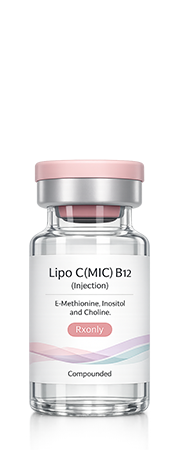
MIC+B12 Injection
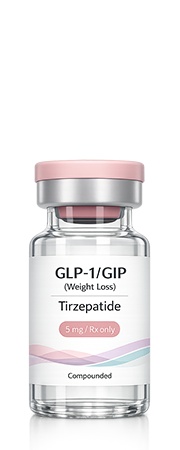
GLP-1 Weight Loss Program

Science Spotlight
Curious About the Science behind this Article?

Similar articles for You





























All diagnoses, treatment decisions, and prescriptions are made solely by licensed healthcare professionals after reviewing each patient’s health information. Payment does not guarantee a prescription, medication, or specific outcome.
Medication images and product visuals shown on this website are for illustrative purposes only. Actual formulations, packaging, and labeling may vary. Some medications available through BeMediq™ may be custom-compounded by licensed 503A U.S. pharmacies. These compounded formulations are prepared for individual prescriptions, have not been reviewed or approved by the U.S. Food and Drug Administration (FDA), and may differ from FDA-approved products. However, ingredients are typically sourced from FDA-registered suppliers, and pharmacies operate in compliance with state and federal compounding regulations.
Statements about potential benefits have not been evaluated by the FDA. These products are not intended to diagnose, treat, cure, or prevent any disease. Individual results may vary. Medications should only be used as directed and under the supervision of a licensed provider.
BeMediq™ is not affiliated with, endorsed by, or sponsored by the manufacturers of FDA-approved brand-name drugs such as Ozempic®, Wegovy®, Mounjaro®, or Zepbound®. These trademarks are the property of their respective owners.BeMediq™ services are intended for adults 18+ and are not for use in emergencies. If you are experiencing a medical emergency, call 911 or seek immediate in-person care. Availability of services may vary by state and is subject to provider licensure and applicable regulations.
All health data is handled securely in accordance with HIPAA and applicable privacy laws. Please review our Terms of Service and Privacy Policy for more information.