
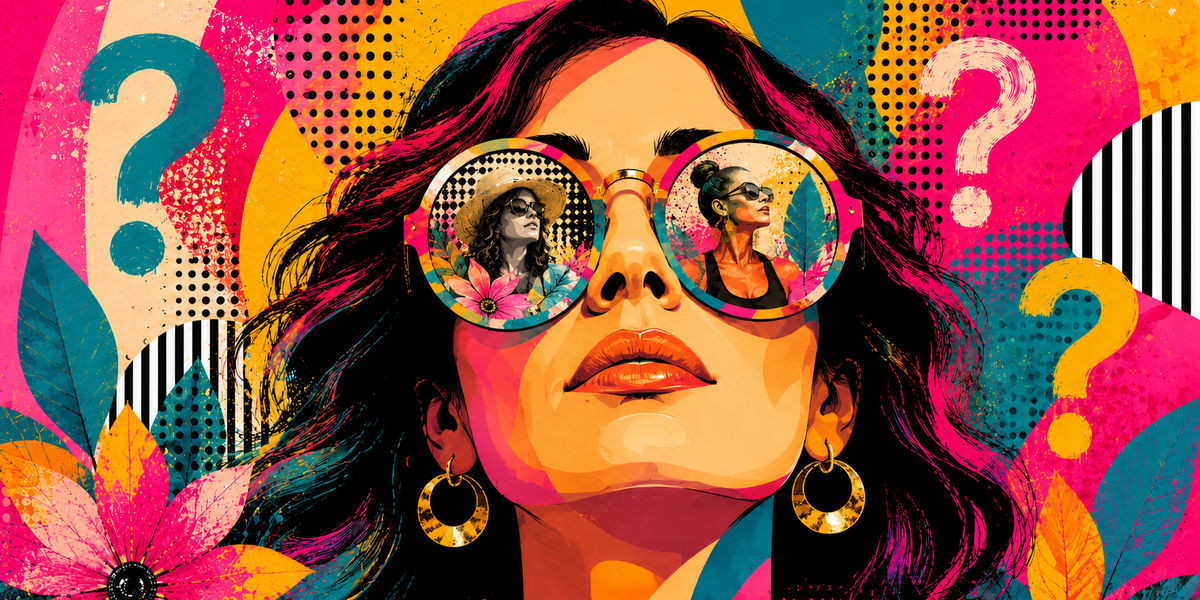
A BeMediq manifesto on why beauty was never meant to stay the same — and why seeing yourself differently doesn’t mean there is less to see.

Elena Brull
Women's Health Journalist & Functional Nutrition Research Writer · August 13, 2026 · 18 min read
This isn't just a phrase worn smooth by repetition. It's an old insight, one that has survived every fashion that tried to replace it, precisely because it names something true: beauty isn't an object to be measured or possessed. It reveals itself through perception, differently to every person capable of recognizing it.
Beauty is a translation. Character, self-image, health, care, and even scent are part of the language through which an individual presence becomes visible, felt, and recognized. Never one signal alone, but many, layered together. And translations only arrive for a receiver tuned to receive them. Beauty that isn't perceived isn't absent. It's simply waiting for the right eye, and sometimes that eye is your own, clouded for a while by exhaustion, stress, or simply not yet being ready to look kindly at what's there.
Beauty is not one thing. It is how we see, how we feel, and how we choose to be seen.
So what is beauty after 40?
It's the question at the center of everything we explore in this section of the Journal — and where our thinking at BeMediq begins.
There's an old saying: until thirty, you wear the face your parents gave you.
After that, you wear the face you've earned.
That isn't literally true. No face is shaped by lifestyle and outlook alone. Life intervenes in ways no one chooses. But it captures something deeper than either one alone. We slowly become visible to ourselves, through thousands of ordinary days, each one small enough to miss. Sleep, nourishment, sunlight, stress, love, grief, and the way we speak to ourselves when no one else can hear it — all of it leaves its imprint. Years of self-criticism shape a face differently than years of self-respect do. And it's never only the face. Posture, voice, movement, and scent contribute the same way.
The mirror is not a verdict. It's a snapshot, one frame in a sequence still being written.
Beauty has probably always served as a language before it ever became an industry, a fast, wordless way of signaling health, safety, and belonging long before anyone had a mirror to check it in. That older, biological function is still running quietly underneath every cultural version of beauty layered on top of it since.
Youth may carry qualities the human eye responds to, just as health and vitality can shape what we perceive. But responding to youth is not the same as defining beauty by it. Youth can be beautiful without being the definition of beauty.
Across many cultures and eras, beauty was never a fixed standard — it was a moving target shaped by whoever held the cultural lens at the time. Fuller figures signaled prosperity in eras of scarcity. Pale skin once marked leisure and status; sun-kissed skin later marked the same. Symmetry, youth, thinness, curves — each generation has crowned a different ideal and called it universal, when it was really just fashionable.
The face was never exempt. Eye shapes, brows, lips, and facial contours have moved in and out of fashion just as quickly. Thin brows became full brows. Small, defined lips gave way to exaggerated volume. Roundness was sculpted into angles; eyes were visually lifted, widened, or elongated. What one decade tried to conceal, another learned to emphasize.
We didn't discover the perfect face. We simply kept redesigning it.
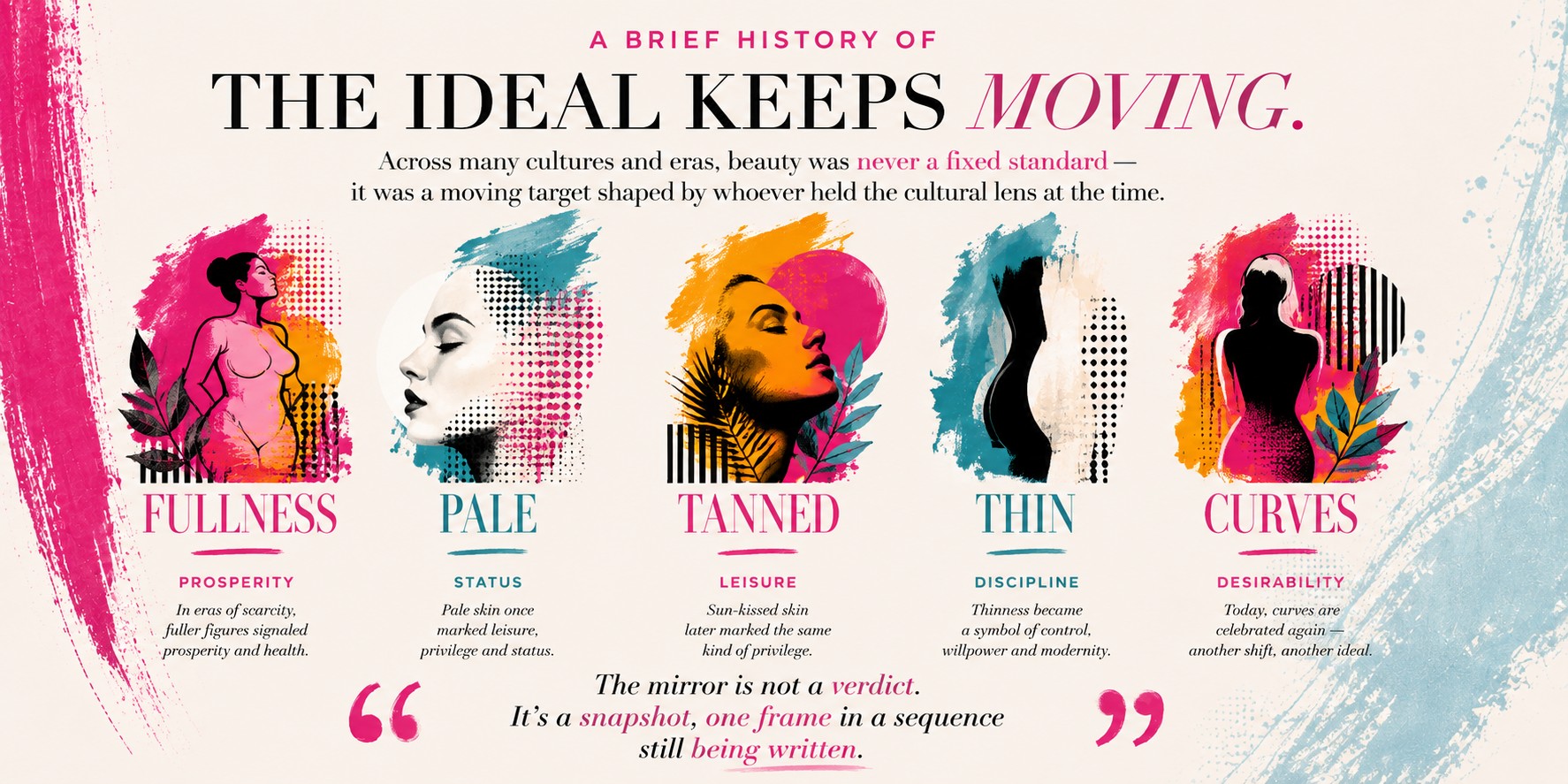
What stayed constant was the underlying function of a beauty ideal: it told women what to aspire to, and — quietly — what to feel inadequate about if they didn't match it.
But through all these changing ideals, one expectation changed far less than the rest: beauty was expected to remain suspended at one particular stage of a woman's life — as though the features of her twenties were not simply one expression of beauty, but the point at which beauty was meant to stay.
For much of modern beauty culture, a woman could change her hair, her brows, her body, her clothes, even the shape of her face — but age itself was treated differently. The passage of time was something to resist rather than something beauty was allowed to move through. And once a woman moved beyond that narrow reference point, the cultural conversation often shifted from how to express her beauty to how to preserve, correct, or recover it.
This was especially visible in the beauty and entertainment culture of the late twentieth century, when women were routinely framed as "older" remarkably early, while men were allowed to age into authority, character, and desirability. Its echoes remain. A woman's thirties could already mark the beginning of a different category. By forty, beauty was too often discussed as something she had managed to retain rather than something she inherently possessed.
That may be one of the most persistent beauty standards of all: not what a woman should look like, but how long she was allowed to be considered beautiful.
Age does not inherently make a woman less beautiful. She simply moves beyond the narrow age range that beauty culture has long treated as its benchmark.
But beauty has never belonged to a single age any more than it has belonged to a single face, body, or era. What changes over time is not a woman's capacity for beauty, but its expression, shaped by her features, her health, her character, her presence, and the way she sees herself. Beauty doesn't fade as a woman changes. It changes with her.
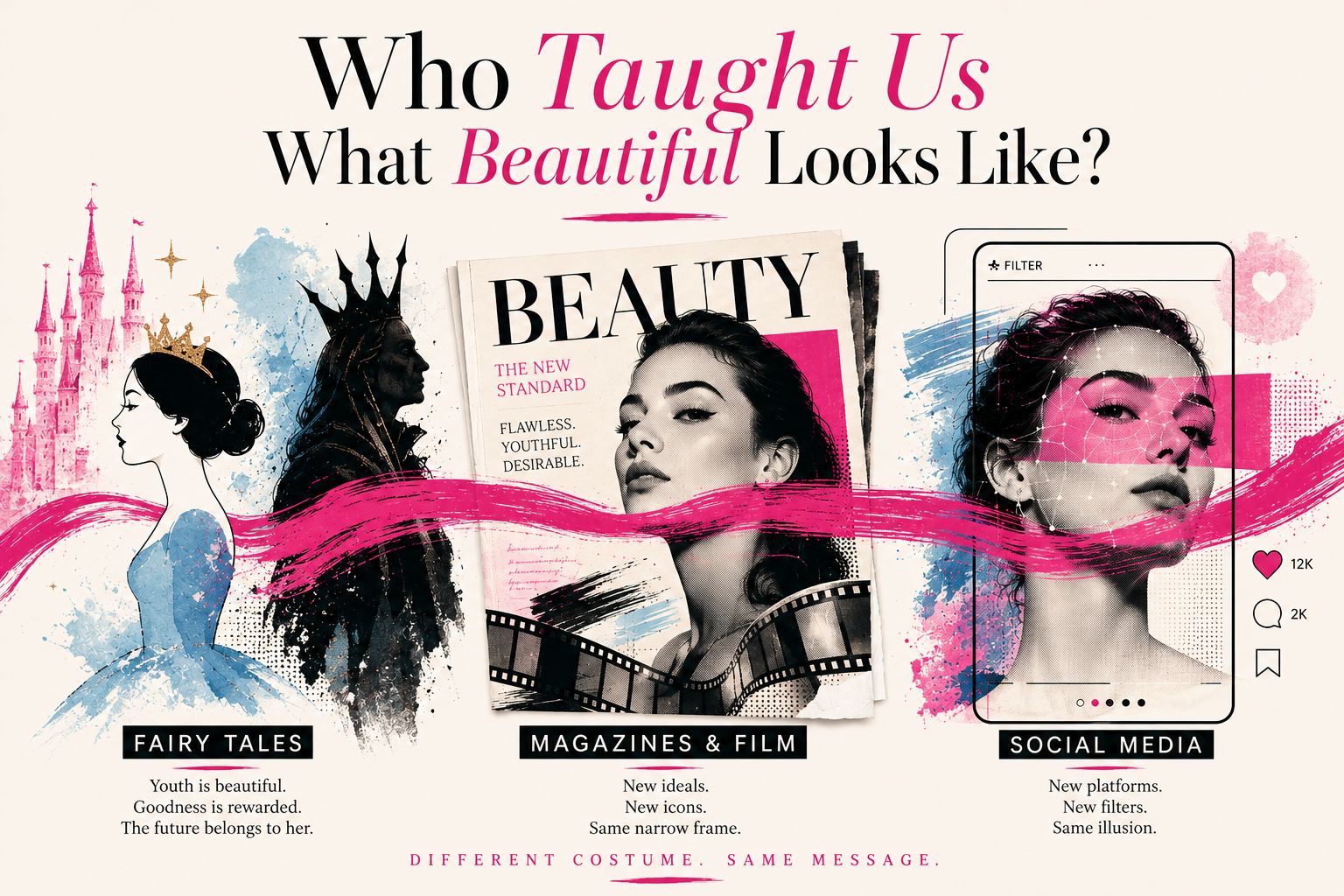
It starts earlier than most of us realize — long before magazines or social media ever enter the picture. It begins in girlhood, with fairy-tale heroines whose beauty is rarely just a physical trait. Again and again, it appears alongside goodness, desirability, worthiness of love, and the promise of a happy ending — often embodied in idealized faces and proportions that were never entirely realistic to begin with.
And hidden inside these stories was another lesson: the age of beauty. The beautiful heroine was almost invariably young. Older women, when given power and presence, were remarkably often witches, jealous queens, cruel stepmothers, or other figures whose age became entangled with bitterness, menace, or decline. The benevolent older woman occupied far less space. Mothers were often dead or absent before the story even began; goodness survived as a memory or a magical presence, while beauty was once again given a young face.
A child doesn't analyze any of this. She doesn't need to. Long before she has the language to question what she sees, the associations are already forming: beauty with youth, beauty with goodness, beauty with being chosen and loved, while an older woman's beauty is rarely given an equally vivid story of its own.
Later, the conditioning simply changes costume. Fashion magazines, film, and now social media hand us a new set of icons — women held up as the definition of beautiful, even when the images we see of them have been filtered, lit, retouched, or otherwise constructed. It isn't one unrealistic image. It's a lifelong sequence of them, each one pulling us further into the same illusion.
It's time to set that straight. Our aim with this section of the Journal isn't to add one more beauty standard to the pile. It's to step outside the template altogether — and make room for beauty to become individual again.
It's worth being precise here, because it's easy to slide into a comfortable but wrong idea: that beauty fades after 40, that there's simply less of it now than there used to be. Neither is true.
Beauty doesn't inherently diminish with age. Its expression changes, taking new shapes across time, cultures, and individual lives. Beauty isn't something we preserve. It's something we continue to become. And it has never needed a certain age to justify its existence.
What genuinely shifts in this decade isn't beauty. It's how we come to see it. Beauty was never one thing to begin with. It's how we see, how we feel, and how we choose to be seen. And that perception is shaped by three forces. One comes from society. One from identity. One from biology.
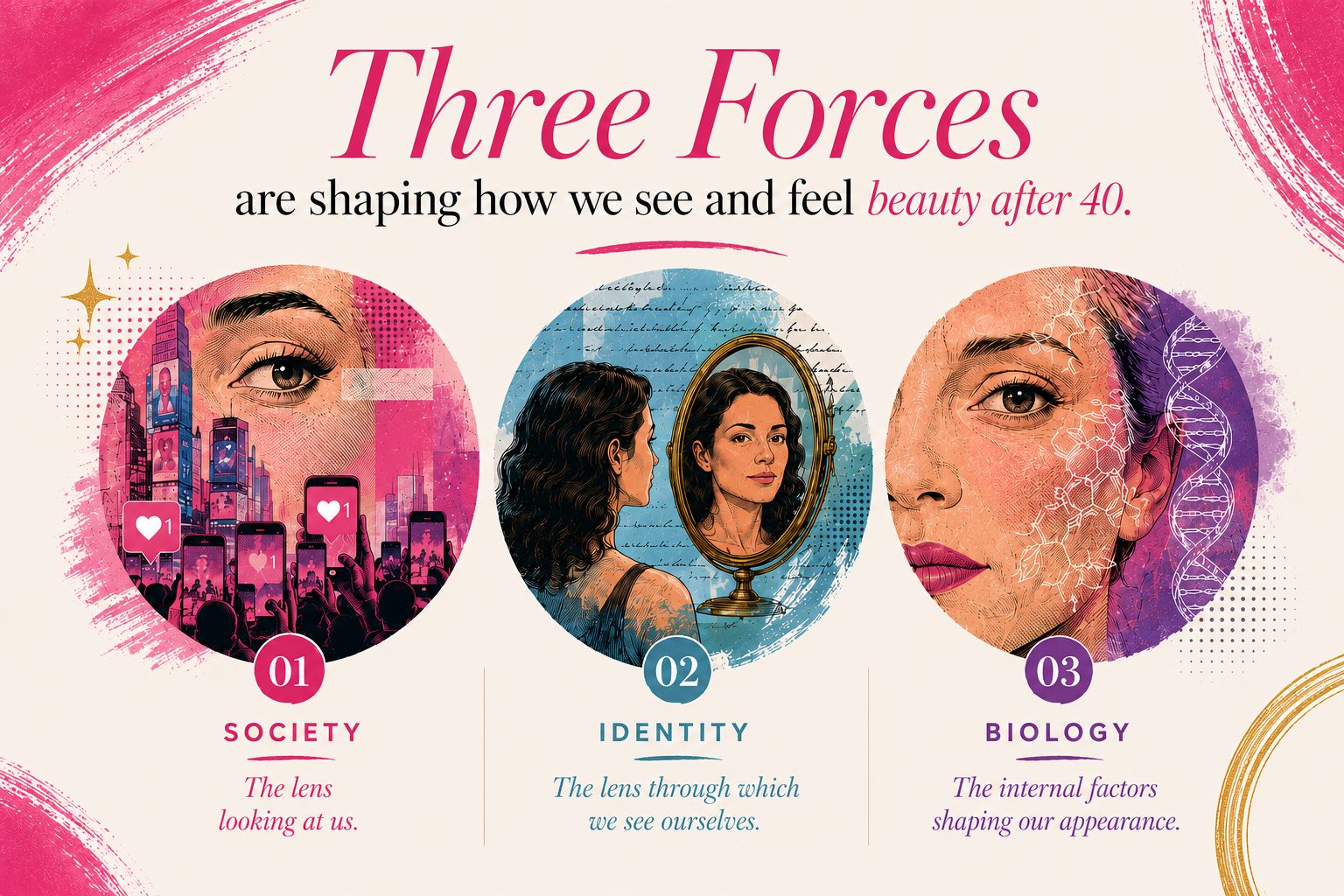
Externally, the real problem is a much older one than any algorithm: a societal standard that quietly equates beauty with youth, and an entire beauty industry built to chase that equation. Together, they teach us to measure ourselves against an inflated standard, or to catch ourselves chasing the exact look of our own teenage years, as if that had been the one true version of us all along.
That conditioning hasn't gone away. It's simply accelerated. Today, it's curated by an algorithm. Social media has collapsed centuries of varied, culturally specific beauty standards into a single, endlessly repeated template: smoothed skin, symmetrical filters, a narrow age range presented as the norm. Dermatologists and researchers now have a name for the flattened, ageless, oddly uniform look this produces: "Instagram Face." It rewards sameness over individuality, and it has almost no place for what a woman in her 40s, 50s, or 60s actually looks like: hormonally, texturally, structurally.
There's something genuinely new in that, something no earlier era of beauty standards ever had to contend with. Every previous ideal still reflected a human eye, a patron, an editor, a culture, however biased, commercial, or culturally constrained that eye may have been. This one doesn't. An algorithm doesn't behold anything. It has no eye. No taste. No beholder. Only a pattern optimized for engagement. For the first time, the beauty ideal shaping how millions of women see themselves was built by something that cannot actually see.
It's hardly surprising that many women respond to this pressure through cosmetic procedures and injectables. Used thoughtfully, they can be a genuine part of how a woman chooses to care for herself, and there's no shame in that choice. But they carry real risks, and they have real limits. A filler can reshape volume. Medicine can soften a line. Neither can manufacture vitality. Character. Health. Self-image. The quiet signature of scent. These belong to a different kind of beauty altogether. At best, medicine quiets what shows on the surface. It cannot quiet a mind still measuring itself against someone else's face.
The question isn't whether a choice, in the mirror, in a treatment room, with a new routine, makes you look younger. It's whether it helps you look more fully like yourself. This is the outer lens. It compares, it ranks, it pressures.
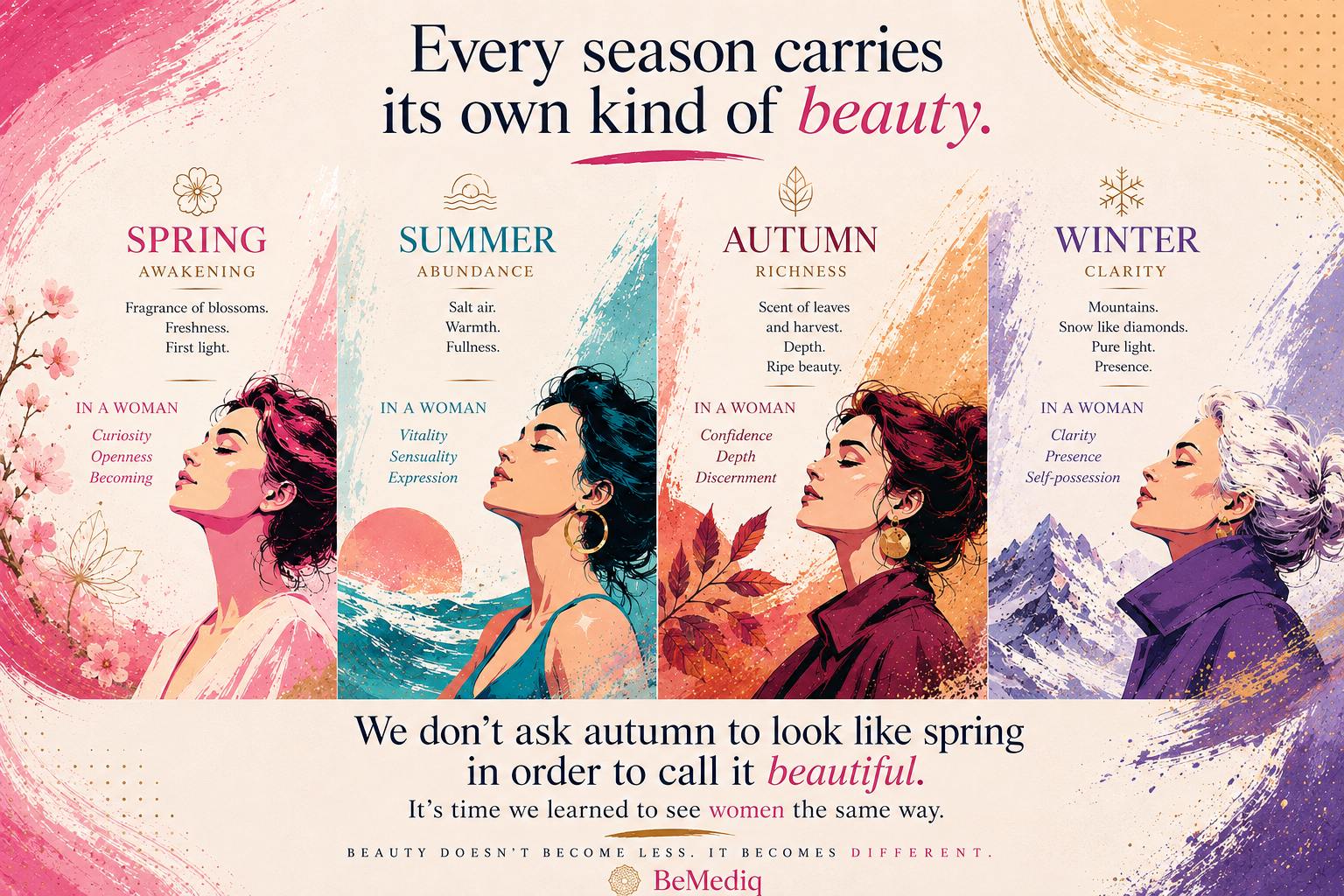
But beauty doesn't actually work that way. Comparing a woman at forty to who she was at twenty makes about as much sense as comparing spring to summer, or autumn to the spring before it: each carries its own kind of beauty, and none of them is a lesser version of the one that came before. Every stage of life reveals qualities the previous one simply could not. We don't ask autumn to look like spring in order to call it beautiful. We recognize its richness, its depth, its own particular light. A woman's beauty was never meant to remain unchanged either. It awakens, expands, deepens, and clarifies, revealing different qualities along the way. It's time we learned to see women the same way.
Internally, a different kind of recalibration is underway. Self-image is often being rewritten in this decade, and the question beneath it changes with it.
It used to be:What do others think of me?Am I worthy of being loved?
It gradually becomes:Who am I when no one is telling me who I should be?Can I finally become someone I genuinely enjoy being?
For years, identity can become intertwined with roles, expectations, relationships, and versions of ourselves that once made perfect sense. Midlife doesn't necessarily erase them. It simply gives us a reason to ask which ones still belong.
This is the inner lens. It shapes not only how we see ourselves, but which version of ourselves we accept as true.
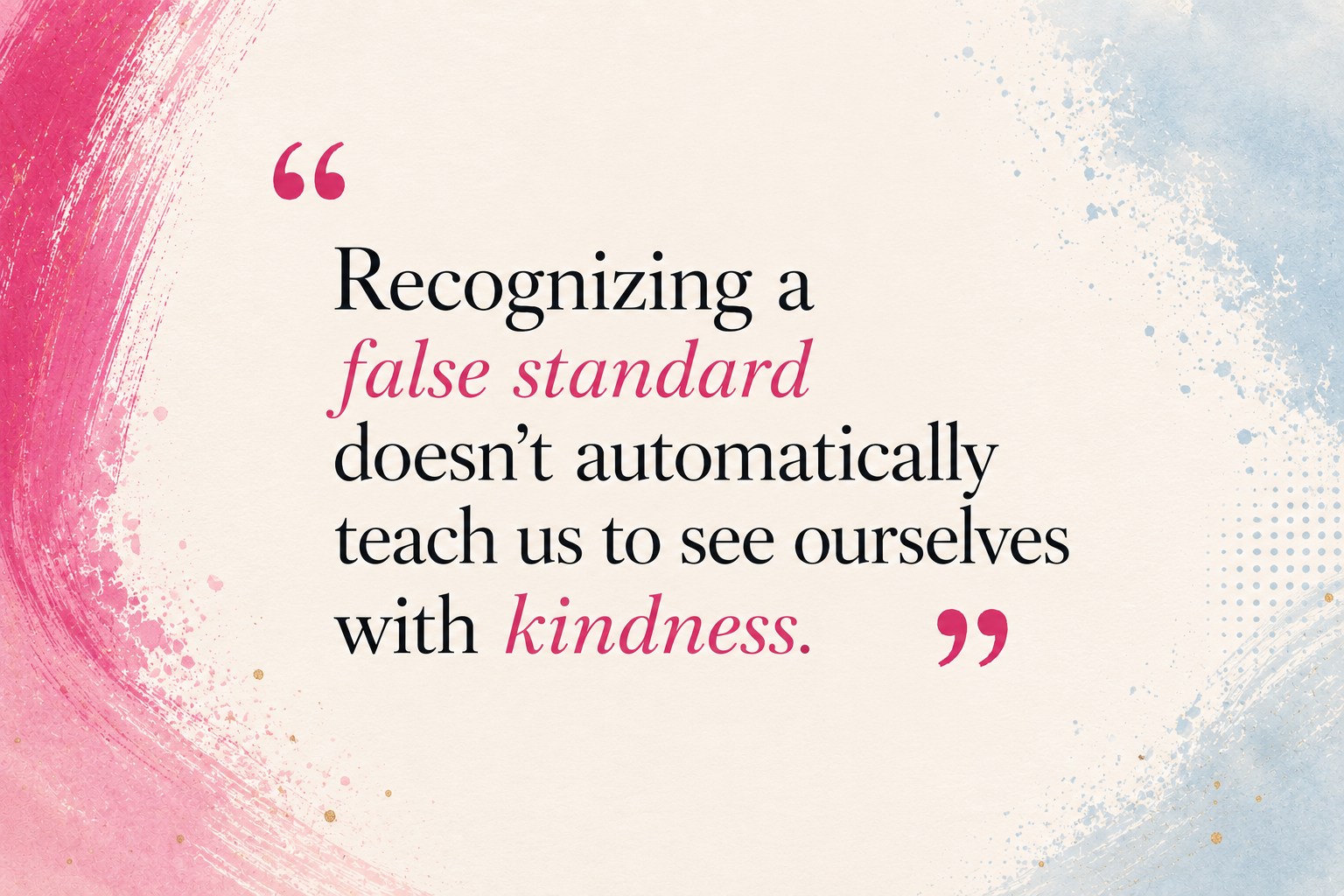
But even this lens carries its own distortions. The way we see ourselves is never neutral. It's shaped by old comparisons, sometimes by real wounds, and by a lifetime of measuring ourselves against everyone else in the room. And the question who am I when no one is telling me who I should be is often hardest for exactly the woman who has already seen through the outer illusion. Recognizing a false standard doesn't automatically teach us to see ourselves with kindness.
The real test, more often than not, is simpler than it sounds: How do I treat myself? Would I speak to someone I loved the way I sometimes speak to myself?
Beyond both of these lies a third force, one that has nothing to do with perception and everything to do with physical reality. Hormonal transitions, disrupted sleep, the accumulated weight of caregiving and work, and everything else nobody sees a woman carrying: all of it can take a genuine toll.
Exhaustion speaks in the language of decline. It's easy to read depletion as decline, when sometimes what we're seeing is a body adapting, compensating, and working harder than it's usually given credit for.
Hormones shift. Sleep changes. Skin, hair, muscle, bone, and metabolism can change with them. These aren't failures of beauty. They are biological realities, happening whether we name them or not.
What most people register, often without being able to name it, isn't a precise geometry: not the shape of a nose, the size of a mouth, the fullness of a brow. It's vitality — a quality of presence that can take countless forms.
It can come through expression, voice, animation, stillness, the way someone engages with the world, and the individual way a person inhabits her body. None of it depends on moving, looking, or functioning in one particular way.
It's the whole picture: physiology, hormones, sleep, nourishment, stress, and the life a person actually lives, all leaving traces in how she looks, feels, and comes across to others. Together, they create something we recognize almost instinctively as vitality, and often read as beauty.
Most of us spend years believing the problem is our face, our weight, our wrinkles. But sometimes what we're seeing isn't a beauty problem at all. It's fatigue. Stress. Hormonal change. A body asking for something it isn't getting.
Health can allow what is distinctly ours to come forward: our expression, energy, aliveness, presence. And when health is strained, those qualities can become harder to access, even to ourselves.
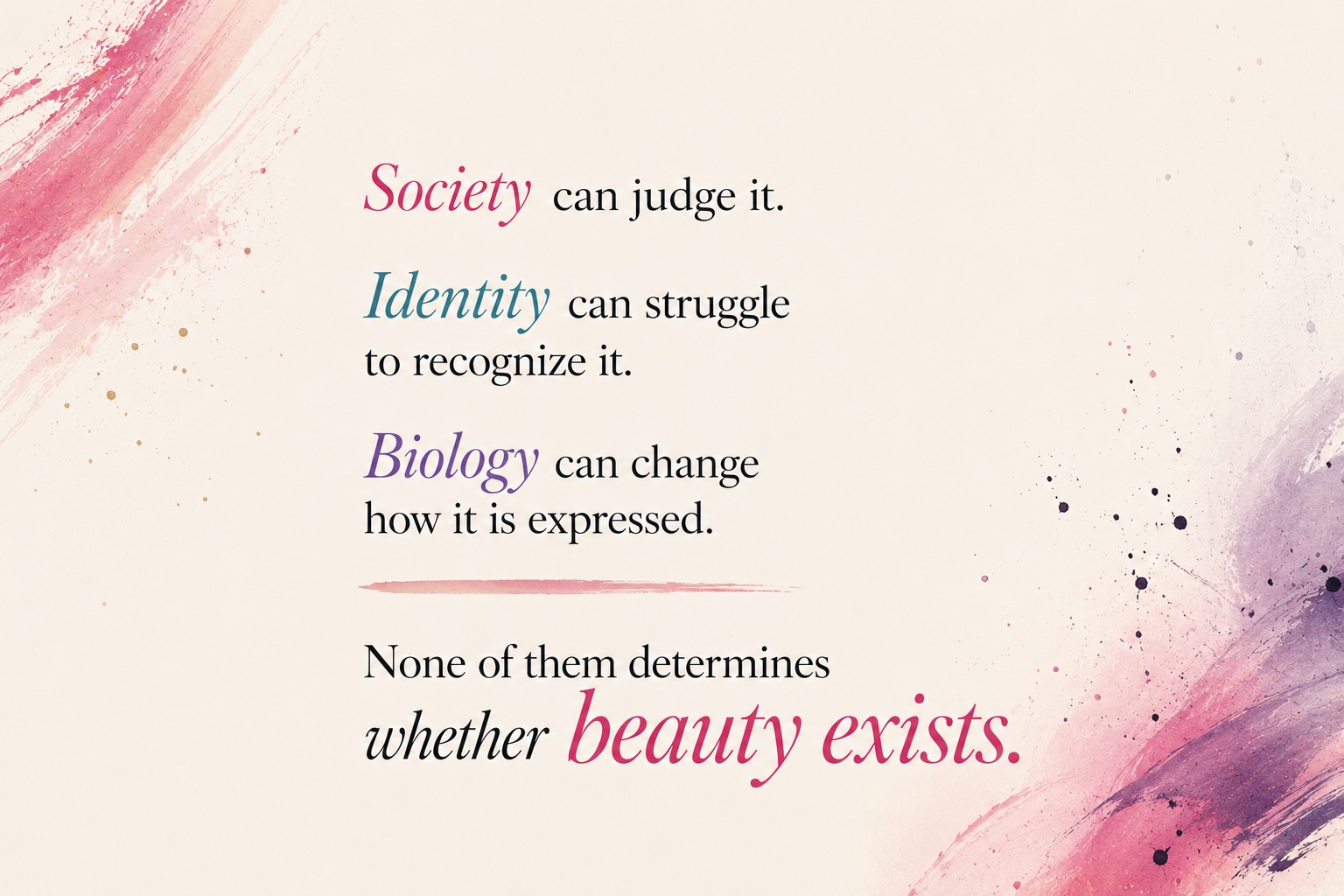
None of these three forces works alone. A woman can meet every external standard and still struggle to see herself clearly through an inner lens shaped by years of comparison. She can build real peace with her own self-image and still feel diminished by a body running on empty. Together, these forces shape how beauty is seen, felt, and expressed — but none of them gets to decide whether it exists.
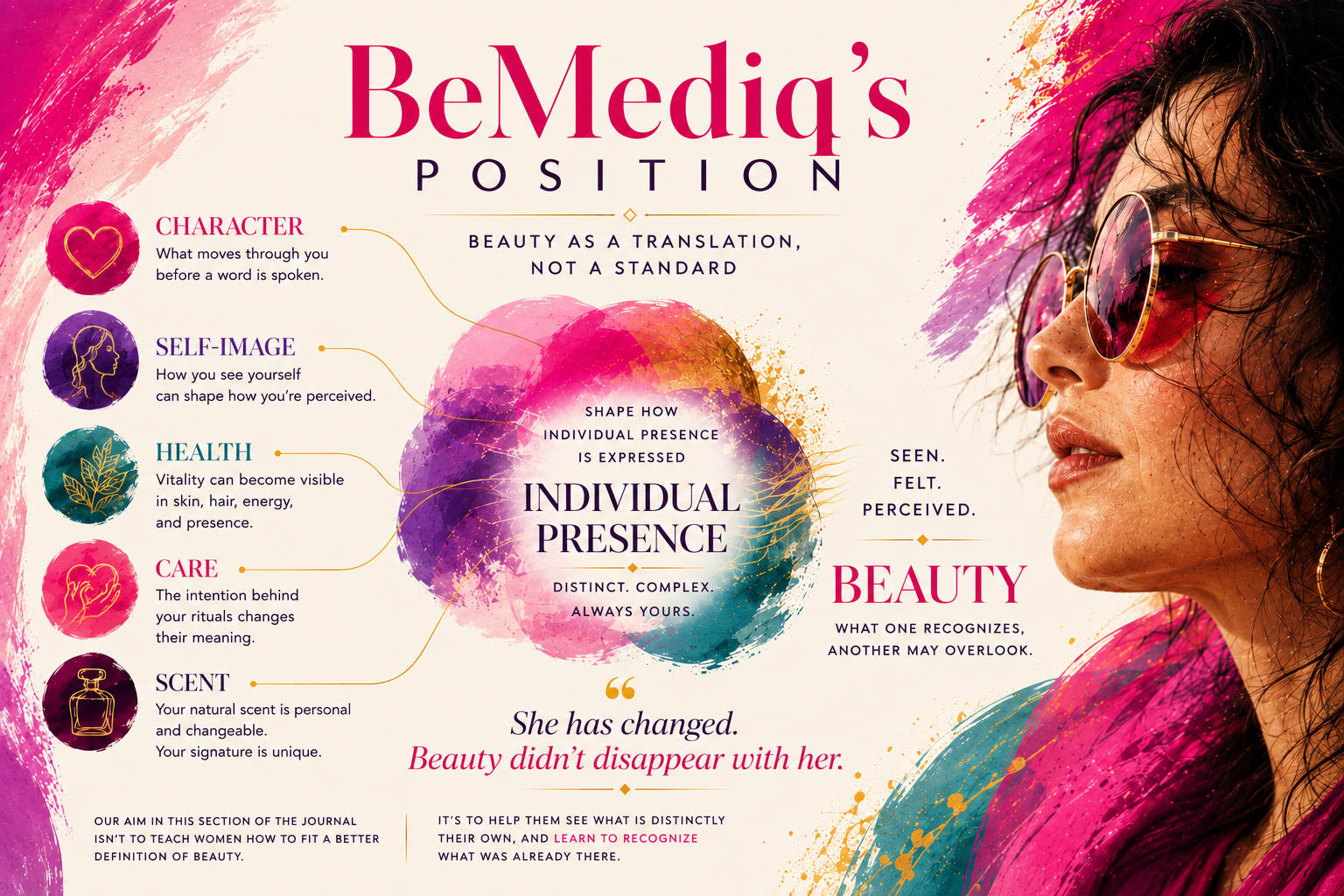
At BeMediq, we don't think beauty begins and ends with appearance. Appearance is the surface where several deeper realities become visible at once:
It gives a face something no feature can supply on its own. Warmth, intelligence, humor, curiosity, depth, confidence — character moves through expression before a word is spoken. It's one reason some faces become more compelling with age, not less.
How a woman sees herself can shape how she is perceived. This isn't a platitude. It's closer to a feedback loop. The way a woman sees herself can alter posture, expression, and presence in ways that are genuinely visible, not just felt.
Skin, hair, teeth, and gums don't exist separately from the rest of the body. Hormonal transitions, sleep, nutrition, stress, genetics, medications, illness, and everyday care can all leave visible traces. Changes aren't always cosmetic problems to correct; sometimes they're information worth paying attention to.
This is where beauty and health begin to overlap, and where understanding the body matters as much as treating the surface.
It's an expression of self-love. We tend to what matters to us, and our relationship with ourselves is no different. Caring for the body can mean protecting it, nourishing it, strengthening it, restoring it, or simply giving it attention. It can also mean wanting to improve something. Self-care, self-acceptance, and self-optimization don't have to be opposites.
Looking after ourselves can change how we feel. Changing how we feel can change how we look. Self-acceptance doesn't require us to remain unchanged.
Care doesn't have to be elaborate, expensive, or aesthetic to count. It can be a walk through a park, a swim in a lake, yoga or self-massage at home, a salt bath, a hair mask, making room for rest, or keeping a medical appointment when something doesn't feel right. Some of the most meaningful rituals of care cost very little, or nothing at all.
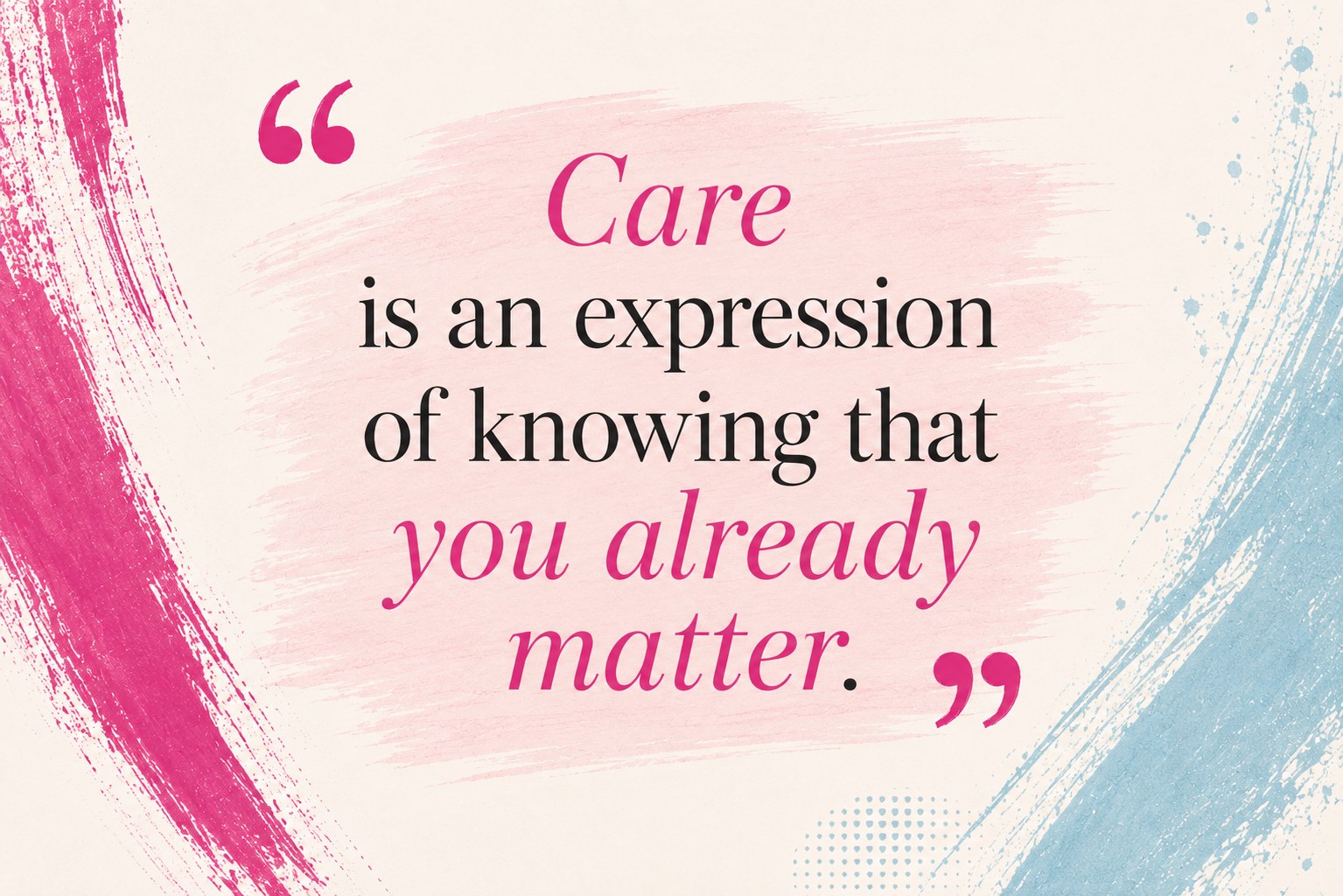
Care isn't a reward for becoming better. It's an expression of knowing that we already matter.
Often the most overlooked layer, and one of the only ones that reaches someone before they've even seen your face. Scent is memory and association as much as it is fragrance, a quiet, personal signature few beauty conversations make room for. No two women wear the same fragrance quite the same way. The fragrance may be borrowed; the signature cannot.
And scent isn't only about what's applied. Natural body scent is personal and changeable, influenced by physiology, hormones, environment, diet, stress, and countless individual factors. Like so much else about beauty, it isn't fixed, and it isn't entirely manufactured.
Character. Self-image. Health. Care. Scent. These are not the ingredients of beauty, and certainly not a checklist for achieving it. They are simply some of the ways an individual presence is translated into something another person, or we ourselves, may recognize as beautiful.
What one person recognizes, another may overlook entirely. This is why the same woman can feel invisible in a room built around one narrow ideal and radiant in a context that actually knows how to see her. She hasn't changed. The lens has.
That includes the eye in the mirror. Face shape, body shape, hair texture, the particular way an expression changes when she laughs — none of these is a deviation from a standard. They're simply hers.
Our aim in this section of the Journal isn't to teach women how to fit a better definition of beauty. It's to help them see what is distinctly their own, and learn to recognize what was already there.
One more thing follows from all of this, and it's worth saying plainly:
beauty is not a fixed point you arrive at and hold. Every facet above can shift with a mood, a season of life, a single conversation, and the whole translation changes with it.
This is precisely why beauty is so difficult to copy. A filter can mimic symmetry. A product can mimic glow. But the way confidence settles into a woman's posture, the warmth that appears when something genuinely delights her, and the quiet familiarity of a scent that has become unmistakably hers — none of it can be copied. It isn't a technique. It's hers. That's not a limitation of beauty; it's the whole point of it.
Throughout this manifesto, we've explored three forces that can shape the expression and perception of beauty: society, identity, and biology. But for a Journal rooted in women's health, biology invites us to look further. It asks us not only to notice what is changing on the outside, but to understand what may be happening underneath.
This is where philosophy becomes journalism.
A manifesto only matters if it changes what comes after it. For us, that means being willing to question ideas about women, beauty, and aging that have been repeated for so long that assumptions have hardened into dogma.
Some of those ideas have traveled through generations. Others remain embedded in the way women's changing bodies are understood today.
We want to reopen those questions. Not to replace one certainty with another, but to examine them in light of what science knows now, what it is still discovering, and what may have been overlooked.
Maybe you've already experienced it. Once a woman reaches a certain age, especially in her forties and beyond, age seems to find its way into the explanation for almost every change she notices.
Pigmentation? It's aging.Thinner hair? It's aging.Drier skin? It's aging.Changes in texture, density, or color? Aging again.
At some point, age begins to sound less like one possible factor and more like the explanation itself. But is it?
There is an important difference between saying that something becomes more common with age and understanding why it happens. Age may tell us something about timing or probability. It doesn't necessarily tell us what biological process is driving the change, what may be contributing to it, or whether some of those factors are modifiable.
Age is an observation. It isn't always an explanation.
Biology doesn't begin with skin or hair. What we see there can be the visible expression of many processes taking place throughout the body. Skin and hair don't change in isolation. What happens to them can have roots that reach far beyond the surface.
In that sense, what we see on the surface can be understood as biological translation: internal processes leaving visible traces on the outside.
What appears on the surface may therefore be one visible chapter in a much larger biological story. And that is the story we'll explore with you throughout this Journal.
So instead of beginning with "What should I put on it?", we begin somewhere else: What changed? What might be happening underneath? And what does the science actually tell us?
That is what we mean by a health-first approach to beauty.
The body speaks its own language. Most of us were never taught how to read it. Our role isn't to tell women what every signal means, or to make individual diagnoses through a Journal article. It's to examine what science can tell us: the mechanisms involved, the possible connections, the strength of the evidence, the questions worth asking, and, where relevant, the clinical approaches used to investigate them.
That thinking shapes the way we approach every story:
Understand → Investigate → Support → Optimize
We start by understanding what has changed and the biology behind it. Then we follow the evidence to investigate what may be driving it and, where relevant, how it is evaluated clinically. From there, we look at what can be supported or addressed. Only then do we turn to optimization, asking what else might help, for whom, and how good the evidence really is.
This health-first approach will guide the way we explore beauty throughout the Journal, beginning with three areas.
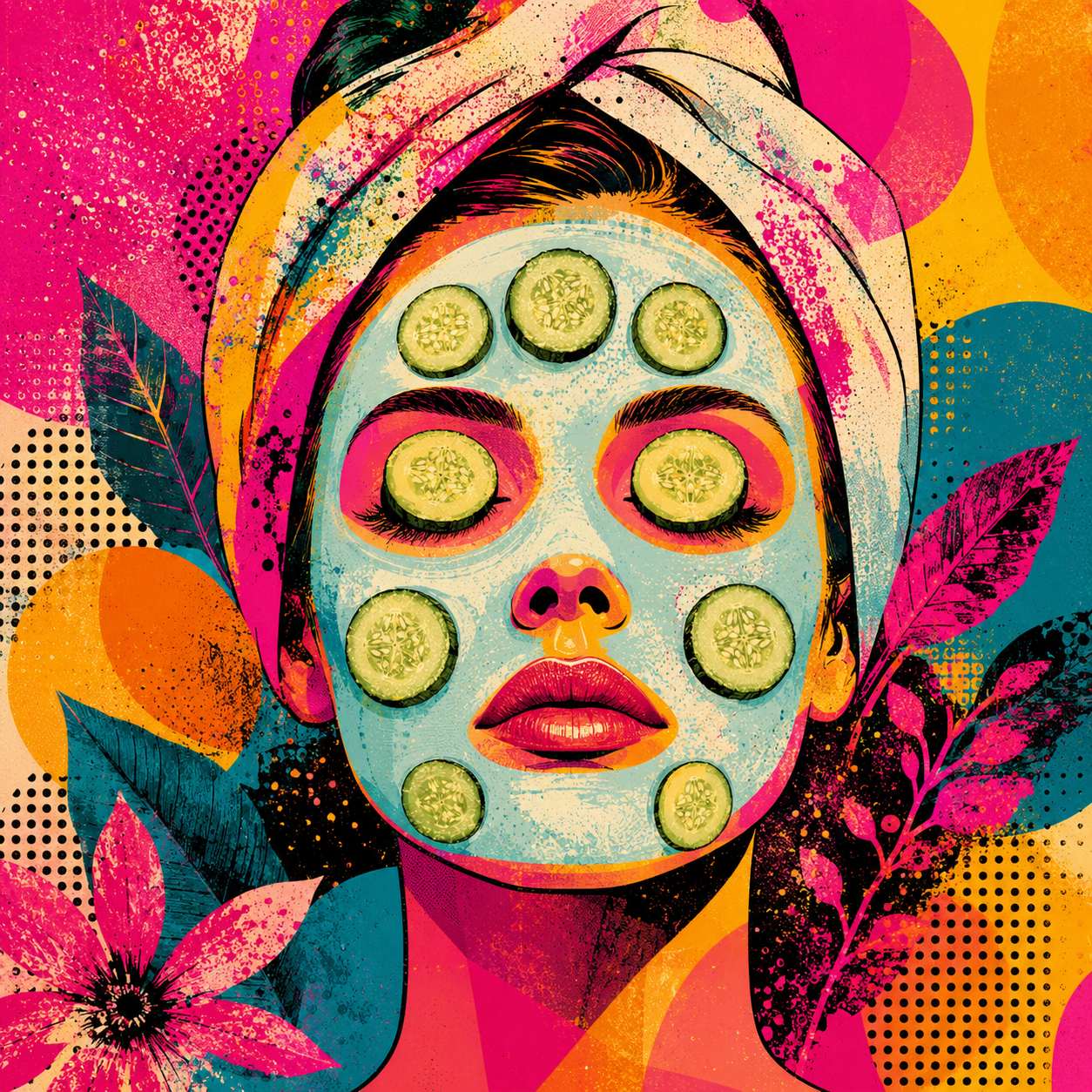

Hair: Why Did It Change?
Thinning, shedding, graying, changes in texture, scalp health, or growth can have very different explanations. We'll follow the evidence before turning to possible solutions.
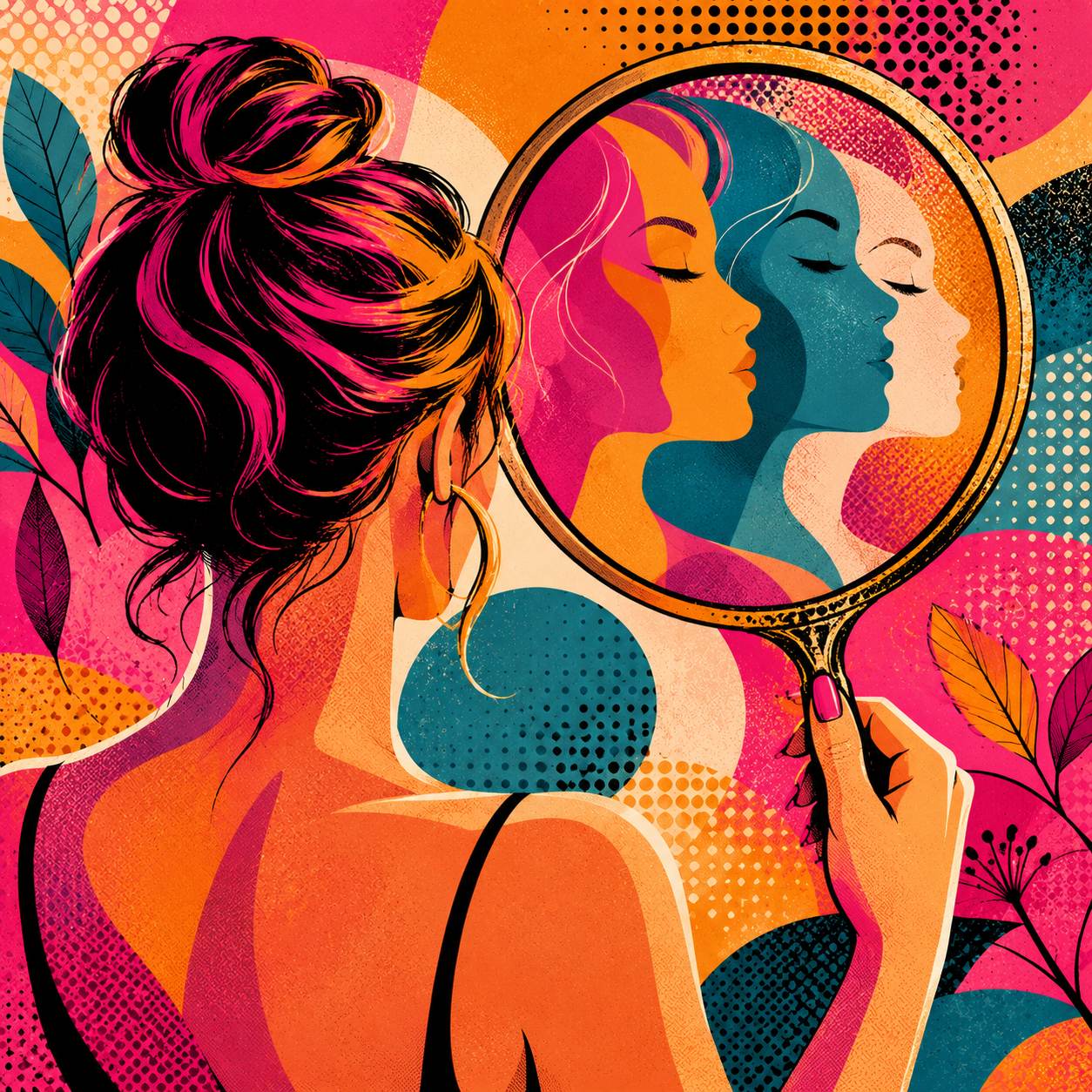
Signature: What Makes Beauty Distinctly Yours?
Beauty doesn't express itself the same way in every woman. Signature is where we explore what makes an appearance unmistakably individual, and why understanding your own visual signature matters more than learning how to reproduce someone else's.
Understanding a change doesn't create an obligation to change it. It creates the possibility of an informed choice.
"It's just aging" should not automatically be the end of the conversation.
And neither should someone else's idea of what beauty is supposed to look like.
Beauty isn't something to replicate. It's something to recognize — first in yourself.
MEDICAL & EDITORIAL DISCLAIMER
This article is intended for educational and editorial purposes only. It explores beauty through scientific, biological, cultural, and personal perspectives and should not be interpreted as medical advice, diagnosis, or treatment guidance.
References to aging, hormones, skin, hair, health, or other biological processes describe general scientific concepts and do not imply that any particular change has a specific medical cause. Individual experiences vary, and concerns about health or physical changes should be discussed with an appropriately qualified healthcare professional.
Interpretations of beauty, identity, culture, and social standards presented in this article reflect the editorial perspective of BeMediq Journal. They are intended to encourage inquiry and a broader conversation about beauty, not to establish a universal definition or standard of beauty.
Written by Elena Brull, Women’s Health Journalist & Functional Nutrition Research Writer (ORCID: 0009-0009-3547-6731)
About the Author
Elena Brull is a Women’s Health Journalist and Functional Nutrition Research Writer covering women’s health, nutrition, metabolic health, hormonal transitions, and longevity. Her work examines scientific research, emerging evidence, and the connections between them to help women better understand their biology and the questions worth asking about it. She writes from a non-clinical, educational perspective — with the intention to inform and empower, not to diagnose or prescribe.
Our Editorial Standards
EDITORIAL DISCLOSURE
BeMediq Care offers products or services related to the topic discussed in this article. BeMediq Journal evaluates the scientific evidence independently of products and services offered through BeMediq Care. Research discussed here should not be interpreted as evidence that a specific BeMediq product or service produces the same effects unless explicitly stated and supported by evidence specific to that product or service.
────────────
FROM BEMEDIQ CARE · COMMERCIAL
Explore BeMediq Care
BeMediq Care offers access to health and wellness services separate from the editorial content of BeMediq Journal.
Discover Products to Support Your Health & Well-Being
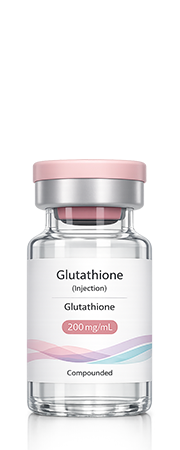
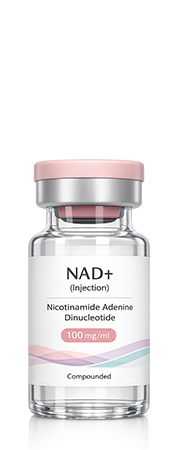
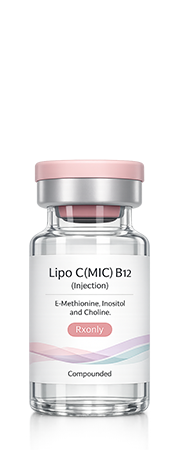
MIC+B12 Injection
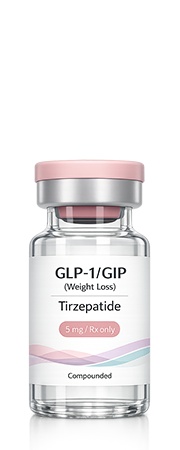
GLP-1 Weight Loss Program

Science Spotlight
Curious About the Science behind this Article?
Similar articles for You

















All diagnoses, treatment decisions, and prescriptions are made solely by licensed healthcare professionals after reviewing each patient’s health information. Payment does not guarantee a prescription, medication, or specific outcome.
Medication images and product visuals shown on this website are for illustrative purposes only. Actual formulations, packaging, and labeling may vary. Some medications available through BeMediq™ may be custom-compounded by licensed 503A U.S. pharmacies. These compounded formulations are prepared for individual prescriptions, have not been reviewed or approved by the U.S. Food and Drug Administration (FDA), and may differ from FDA-approved products. However, ingredients are typically sourced from FDA-registered suppliers, and pharmacies operate in compliance with state and federal compounding regulations.
Statements about potential benefits have not been evaluated by the FDA. These products are not intended to diagnose, treat, cure, or prevent any disease. Individual results may vary. Medications should only be used as directed and under the supervision of a licensed provider.
BeMediq™ is not affiliated with, endorsed by, or sponsored by the manufacturers of FDA-approved brand-name drugs such as Ozempic®, Wegovy®, Mounjaro®, or Zepbound®. These trademarks are the property of their respective owners.BeMediq™ services are intended for adults 18+ and are not for use in emergencies. If you are experiencing a medical emergency, call 911 or seek immediate in-person care. Availability of services may vary by state and is subject to provider licensure and applicable regulations.
All health data is handled securely in accordance with HIPAA and applicable privacy laws. Please review our Terms of Service and Privacy Policy for more information.