
How can the way we live reach our skin through multiple biological, environmental and microbial pathways?

CENTRAL READER QUESTION
Can what we eat, how we sleep, move and manage our emotional wellbeing — as well as behavioral exposures and skincare — influence how our skin looks and changes with age?
The way we live does not act on the skin in a single way. It can reach it through multiple biological, environmental and microbial pathways.

OUR SCIENTIFIC GUIDE
How can the way we live reach our skin through multiple biological, environmental and microbial pathways?
01
How We Live Becomes Part of Our Skin Biology
How We Live Becomes Part of Our Skin Biology
The BeMediq Skin Compass gives us a way to look beyond the surface of our skin.
It takes us into the biology within us, the environment around us, and the living ecosystem on our skin — three worlds that can influence the conditions in which our skin functions.
But recognizing these influences raises another question:
What happens when the way we live enters the picture?
A meal does not remain a meal. It becomes part of digestion, metabolism and microbial activity.
Sleep is not simply time spent resting. It interacts with circadian rhythms, hormonal signaling and immune processes.
Movement can change circulation and metabolic activity. Behavioral exposures can become part of both our internal biology and the environment our skin encounters. Skincare meets the skin more directly, changing conditions at its surface.
Our everyday actions therefore do not sit beside these three worlds. They interact with them.
How we eat, sleep, move, respond to our environment and care for our skin can influence how we encounter these worlds — and, through them, some of the conditions that help shape how our skin functions, feels and looks.
How We Live is not a fourth world. It is the everyday layer through which we interact with the worlds already influencing our skin.
02
The Many Ways Everyday Life Reaches Our Skin
The Many Ways Everyday Life Reaches Our Skin
A blemish appears. Our skin suddenly feels dry. Its texture changes, or it seems more reactive than usual.
What we see is real. But what contributed to it may be much harder to determine.
We may never know whether a blemish was influenced by something we ate, nutritional status, smoking, hormonal changes, the microorganisms on our skin — or several factors acting together.
Dry skin presents the same problem. The products we use may matter. So may heavily treated water, climate, changes in the skin barrier, nutritional status or processes taking place within the body.
The appearance of our skin cannot tell us which of these influences was responsible.
And often, science cannot draw a simple line between one everyday exposure and one visible outcome either.
The relationships are usually more complex. Some are well established, others are still being investigated. Many depend on dose, duration, biological context and individual differences. Several influences may also converge on the same biological process.
But uncertainty about the exact connection does not mean that no connection exists.
And finding the individual cause of every blemish, dry patch or visible change is not the purpose of How We Live.
Our interest lies in the larger picture.
Across nutrition, sleep, movement, emotional wellbeing, behavioral exposures and skincare, research has identified connections with biological, environmental and microbial processes relevant to skin health and skin aging.
How We Live brings these connections together — not to prescribe a perfect way of living, but to make this growing body of knowledge easier to understand and use.
Instead of asking which single habit caused a particular change, we can ask what the evidence collectively tells us about the everyday conditions that support healthy skin over time.
The aim is not to trace every change back to a cause. It is to understand the connections well enough to make informed choices for the skin we want to care for over decades.
03
The Six Areas of How We Live
The Six Areas of How We Live
We do not get to choose every condition in which our skin lives.
We cannot rewrite our genetics, stop biological aging or control every environmental exposure we encounter. And even the choices available to us are not always equally easy to make.
But there are parts of everyday life over which we have some influence.
What we eat. How we sleep. How much we move. How we care for our emotional wellbeing. Some of the exposures we choose or can avoid. And what we put on our skin.
Some changes may be relatively simple. Others require more effort, consistency or willingness to change long-established habits. And none of them gives us complete control over how our skin will look or age.
But taken together, they represent an important part of the skin environment that is, to varying degrees, within our hands.
To explore this part of the picture, How We Live brings it together in six areas:
Food · Sleep · Movement · Mind & Emotional Wellbeing · Behavioral Exposures · Skincare
These areas are not isolated from one another, and their boundaries are not absolute. They are a way of organizing the choices, habits and exposures we can explore — first by understanding what the science tells us, and then by considering what that knowledge might mean in everyday life.
We cannot control everything that shapes our skin. But we can better understand the parts of everyday life that may help influence its health, function and quality over time.
THE SIX AREAS OF HOW WE LIVE
Click any area to explore how it can reach your skin — and what the science suggests.
FOOD
How what we eat can become part of the biology of our skin.
TOUCHES
WITHIN US
(Our biology)
ON OUR SKIN
(Our skin ecosystem)

FOOD
How what we eat can become part of the biology of our skin.


OVERVIEW

OVERVIEW
We choose food by what we see, smell and taste. We think about meals, ingredients, recipes and perhaps the nutrients they contain.
But once food enters the body, something much less visible begins.
It is broken down, transformed and absorbed. Some of its components become available to our cells. Some participate in metabolism. Some are needed for enzymes or signaling molecules. Others travel much further through the digestive system and encounter the microorganisms living in our gut.
What began as food becomes part of biology.
And our skin lives within that biology.
This is where the relationship between food and skin becomes more interesting than the familiar idea of eating certain foods for “better skin.”
Because there is rarely one straight line from a food on our plate to something we can see in the mirror.
Food Does Not Reach the Skin Through One Pathway
Consider something as seemingly distant from the skin as thyroid hormone production.
Iodine is required to make thyroid hormones. Selenium is involved in enzymes that help activate and regulate them. The amino acid tyrosine forms part of their molecular structure.
None of these nutrients is a “skin ingredient.”
Yet together they illustrate something important about nutrition: nutrients can become part of biological processes whose effects extend far beyond the place where they first enter the body.
Thyroid hormones influence metabolism throughout the body, and the skin exists within that metabolic environment.
The connection between nutrition and skin can therefore begin somewhere that, at first glance, appears to have very little to do with skin at all.
The same is true elsewhere in hormonal biology.
Cholesterol is usually discussed in relation to cardiovascular health. But biologically, cholesterol is also the starting material from which steroid hormones are made.
That does not mean that eating more cholesterol produces more estrogen, or that consuming a particular nutrient will predictably change someone’s skin. Human endocrine biology does not work like a simple input-and-output system.
It tells us something more useful:
What we eat can provide materials that become part of systems that help shape the biological environment in which our skin functions.
Some Food Components Take an Even Less Direct Route
Fiber tells a different story.
We often speak about nutrients in terms of what the body absorbs. But some components of food matter precisely because we do not digest and absorb them in the usual way.
Certain fibers continue into the large intestine, where they encounter the microbial communities living there.
Those microorganisms can use fermentable fibers and produce metabolites of their own. This means that part of the biological story of a meal may be written not only by our own cells, but also by microorganisms living inside us.
That is one of the reasons researchers are interested in the gut–skin axis.
The idea is not that eating fiber automatically creates a healthier skin microbiome, nor that we can prescribe a particular food for a particular skin condition.
The relationship is far less direct.
But it raises a fascinating possibility:
Something we eat may become relevant to our skin without ever reaching the skin itself.
Other Connections Begin Closer to the Skin
Some nutritional relationships are easier to recognize.
Vitamin C participates in collagen synthesis. Amino acids obtained through dietary protein contribute to the pool of building blocks the body can use to make proteins. Metabolic conditions can influence processes such as glycation, while nutrition can intersect with inflammatory and oxidative pathways.
These mechanisms help explain why nutrition belongs in a conversation about skin biology.
But they also reveal an important limitation.
Knowing that a nutrient participates in a biological process is not the same as knowing that eating more of it will visibly change someone’s skin.
A person who is deficient is not biologically equivalent to someone whose nutritional needs are already met. Foods are not isolated nutrients. Nutrients do not act alone. And skin does not exist separately from age, hormones, metabolism, immune function, environment or the microbial ecosystems that surround and inhabit us.
This is why the science of food and skin becomes less convincing when it is reduced to lists of “best foods for glowing skin.”
From Food to Nutrition — and From Nutrition to Skin
Perhaps the more useful question is not:
Which foods are good for my skin?
But:
What happens between what I eat and the biology of my skin?
Sometimes the answer may involve a nutrient the skin itself uses.
Sometimes it may travel through metabolism.
Sometimes through hormonal or immune processes.
And sometimes the connection may involve microorganisms in a completely different part of the body.
Nutrition can therefore reach the skin through multiple pathways rather than one.
That is also why the evidence requires context. No single food or nutrient can explain the state of our skin, and no single dietary change can be expected to determine how it looks or ages.
Food is where the journey begins. Nutrition is everything that happens along the way.
And understanding that journey gives us a much more interesting place to begin exploring the relationship between what we eat and the skin we live in.

UNDERSTAND
Explore the science
From Nutrition to Hormones to Skin
How iodine, selenium and tyrosine help reveal an indirect route to skin biology.
Vitamin C and Collagen
What does the skin actually need?
Fiber, the Gut Microbiome and Skin
How something we never absorb directly may still influence biology.
Glycation and Skin Aging
How metabolic context and glycation can affect collagen and elastin.
Protein and Skin After 40
What dietary protein and amino acids may mean for skin structure.
Nutrition in Perimenopause and Menopause
How nutrition meets a changing hormonal and metabolic context.

APPLY
Bring the science into everyday life
Where Do Iodine, Selenium and Tyrosine Come From?
A practical guide to food sources for thyroid health.
Vitamin C on the Plate
Delicious ways to bring more vitamin C into everyday meals.
How to Eat More Fiber — Gradually
Building greater food diversity without turning fiber into a target.
How Much Protein Is Actually on Your Plate?
A visual guide to everyday protein sources and portion sizes.
Glycation Without the Food Fear
What the science does — and doesn’t — mean for the way we eat.
Building a Plate During Perimenopause
Protein, fiber, micronutrient density and the changing needs of midlife.
Understand before you apply.
We begin with what the science can tell us — including where the evidence is limited — before translating it into practical possibilities for everyday life.

It is not intended as medical advice.
SLEEP
How the quality and timing of our sleep can become part of the biology of our skin.
TOUCHES
WITHIN US
(Our biology)
AROUND US
(Our environment)

SLEEP
How the quality and timing of our sleep can become part of the biology of our skin.

OVERVIEW
“Beauty sleep” is one of those expressions that has become so familiar we rarely stop to ask what it actually means.
Sleep well, look better — that is the idea.
But is there actually something behind it?
Can the way we sleep influence the quality of our skin — and if so, what happens between sleep and the biology of our skin?
The answer is more complex than simply getting enough hours of sleep.
During sleep, the body moves through different stages, accompanied by changes in hormonal, metabolic, immune and cellular activity. Deep sleep offers one particularly interesting example: it is closely associated with one of the major pulses of growth hormone secretion.
Despite its name, growth hormone is not only about growth. In adults, it remains involved in metabolism, tissue maintenance and regenerative processes — biological processes that help tissues maintain their structure and function over time.
Our skin is part of this continuous maintenance. Cells are replaced, the barrier has to be maintained, and tissues continually respond to biological and environmental stress.
This does not mean that the skin only repairs itself while we sleep, or that growth hormone alone determines its quality.
It tells us something more useful:
The quality of our sleep can become part of the biological conditions in which our skin maintains, renews and protects itself.
Sleep Connects More Than One World
Sleep also shows us how easily the different worlds influencing our skin can meet.
We decide when we go to bed, whether we continue looking at a bright screen, what we eat or drink in the evening, and how we prepare for sleep. These are part of How We Live.
But our choices do not act in isolation.
Artificial light, for example, belongs to the environment around us. Our decision to remain in that light late into the evening can interact with biological timing and sleep-related processes within us.
Changes in sleep quality can, in turn, become relevant to the biological conditions in which our skin functions and renews itself.
What begins as an everyday habit can therefore connect the environment around us with processes within us — and ultimately with the biology of our skin.
This is exactly the kind of connection the BeMediq Skin Compass is designed to make visible.
Melatonin: An Unexpected Connection to Skin
Melatonin adds another dimension to the idea of “beauty sleep.”
We know it primarily for its relationship with sleep and biological timing. But melatonin is also an antioxidant.
That matters because our skin is continuously exposed to oxidative stress.
Ultraviolet radiation, pollution and normal cellular activity can generate reactive molecules capable of damaging lipids, proteins, mitochondria and DNA — processes that are also relevant to skin aging.
Antioxidants are already familiar territory in skincare. Vitamins C and E, for example, are widely studied for their roles in antioxidant defense.
Melatonin is particularly interesting because its antioxidant activity does not necessarily end after its first reaction with a reactive molecule. Some of the metabolites formed during its metabolism can themselves participate in antioxidant reactions, creating what researchers describe as an antioxidant cascade.
Melatonin can also interact with endogenous antioxidant defense systems.
And there is another surprising connection:
Our skin has its own local melatonin system.
Skin cells can produce and metabolize melatonin and related compounds, where they participate in local biological responses, including responses to oxidative stress.
A molecule we associate with sleep is therefore also part of the biology of the skin itself.
Sleep Quality Is Part of a Larger Picture
None of this means that the more we sleep, the younger our skin becomes.
Sleep biology does not work as a simple equation in which every additional hour translates into additional skin repair. Duration is only one dimension of sleep, and more is not automatically better.
Sleep quality, continuity and timing also matter. And some of the conditions that shape them begin before we fall asleep.
This opens a broader set of questions:
Why does sleep quality become disrupted? What can we do to improve it? How much do our bedtime and evening habits matter? And why can maintaining good sleep quality become more difficult as we age — particularly during perimenopause and after menopause?
These are the questions we explore in SLEEP.
The relationship between sleep quality and skin quality is not a simple one. Sleep does not determine how our skin looks or ages. But it can become part of the biological conditions in which our skin functions — sometimes through processes within the skin itself, and sometimes indirectly through hormonal, metabolic, immune, circadian and oxidative pathways.
Understanding what shapes our sleep — and what happens biologically while we sleep — adds another piece to our understanding of the conditions in which our skin functions, renews and ages.
Perhaps “beauty sleep” contains more biology than its name suggests.
UNDERSTAND
Explore the science
Sleep Quality and Skin: What Do We Actually Know?
What human studies tell us about sleep quality, skin barrier function, recovery and skin aging — and where the evidence remains limited.
Deep Sleep, Growth Hormone and Skin Renewal
What research tells us about slow-wave sleep, growth hormone secretion and biological processes involved in tissue maintenance and regeneration.
Melatonin and Skin: More Than a Sleep Hormone
What studies reveal about melatonin's antioxidant activity, its metabolites and the skin's own local melatonin system.
Does It Matter When We Sleep?
What research on sleep timing, circadian alignment and skin rhythms can — and cannot — tell us.
What Disrupts Sleep Quality?
What studies tell us about light, screens, caffeine, alcohol, meal timing, stress and other everyday influences on sleep.
Why Does Sleep Quality Change in Midlife?
What research tells us about sleep during perimenopause and menopause — from changing ovarian hormones and vasomotor symptoms to aging and circadian biology.
APPLY
Bring the science into everyday life
How Much Sleep Do We Actually Need?
A practical guide to sleep duration, sleep quality and why more sleep is not automatically better.
When Should We Sleep?
What circadian timing and sleep regularity may mean for choosing a realistic sleep schedule.
Creating Better Conditions for Sleep
How light, screens, temperature and the transition from an active day can shape the conditions before sleep.
Food, Caffeine and Alcohol Before Bed
How timing and everyday choices around eating and drinking may influence the sleep that follows.
What Can We Actually Do to Improve Sleep Quality?
Evidence-informed ways to support sleep quality — without turning sleep into another performance target.
Supporting Sleep in Perimenopause and Menopause
Practical ways to respond when hormonal changes, hot flashes, night sweats and other midlife factors begin to disrupt sleep.
Understand before you apply.
We begin with what the science can tell us — including where the evidence is limited — before translating it into practical possibilities for everyday life.
It is not intended as medical advice.
MOVEMENT
How different ways of moving can interact with our skin — and with the structures beneath it.
TOUCHES
WITHIN US
(Our biology)

MOVEMENT
How different ways of moving can interact with our skin — and with the structures beneath it.
OVERVIEW
OVERVIEW
What we see as skin is not shaped by the skin alone.
Its visible appearance also depends on what lies beneath it. Subcutaneous fat, connective tissue and fascia, and muscle all contribute to the contours and appearance we see from the outside.
This becomes particularly important when we talk about movement.
A part of the body may look firmer or more defined because the muscle beneath it has changed, without this necessarily meaning that the dermis itself has become firmer.
So we need to distinguish between skin quality and appearance.
Movement makes that distinction particularly interesting because it can enter the picture from two directions: through biological processes that may reach the skin from within, and through changes or mechanical interactions with the structures beneath it.
Can the way we move become part of the biology of our skin — even when movement never directly touches the skin?
1. Can Movement Reach the Skin From Within?
Movement is life. But could it also be part of what makes our skin look alive?
We often associate movement with vitality. A walk can leave us looking more awake. Exercise can bring color to the face. After moving, the body can feel warmer, more energized — more alive.
Some of that is temporary. But it raises a more interesting biological question:
Could movement also influence some of the processes that help our skin maintain its function and quality over time?
A muscle contraction is not only a mechanical event.
When we move, circulation changes. Muscles alter their metabolism and release signaling molecules. Cellular energy demand shifts. Muscle contractions and breathing also contribute to lymphatic transport.[1]
Some of these responses extend far beyond the muscles doing the work.
Skeletal muscle, for example, can release signaling molecules, including myokines, that participate in communication between tissues.[2]
Movement also reaches inside the cell.
One molecule involved in this metabolic response is NAD+, which participates in cellular energy metabolism, redox reactions and NAD+-dependent enzyme activity. Exercise can influence NAD+-related metabolism, although the response varies by tissue, metabolic state and type of exercise.[3]
Why might that matter for aging skin? NAD+ is involved in cellular bioenergetics and in processes relevant to DNA repair and cellular responses to stress. In the skin, NAD+-related metabolism has been linked to cellular bioenergetics, homeostasis and responses to environmental stress.[3][4]
This makes NAD+ an intriguing connection between movement, cellular metabolism and aging — but not evidence that exercise directly raises NAD+ in the skin or reverses skin aging.
The same caution applies to lymphatic transport. Movement and muscle contraction can contribute to the movement of lymph, but this should not be translated into the familiar claim that exercise “detoxifies” the skin.[1]
Together, these examples point to something broader:
What begins as physical movement can become a biochemical event inside the body.
Circulation, muscle signaling, cellular metabolism and lymphatic transport provide different ways in which movement can become part of the biological environment in which our skin functions.
2. Can Movement Change What Lies Beneath the Skin?
If exercise makes part of our body look firmer or more defined, what has actually changed?
It is tempting to look at the surface and assume that the skin itself has become firmer.
What we see in the mirror, however, is the visible result of several layers working together.
Muscle, subcutaneous fat, fascia and connective tissue form part of the physical environment beneath the skin. Movement can load, contract, stretch or otherwise engage these structures — and longer-term training can change some of them.
That means a visible change does not necessarily tell us where the change occurred.
A different contour may reflect changes in muscle or body composition. A change in skin quality would require evidence of changes in the skin itself.
Movement may influence what we see in the mirror not only by acting on skin biology, but also by changing or mechanically engaging the structures beneath it.
This leads to another question:
Could movement change the skin itself as well?
Collagen may be part of that story.
Collagen is one of the main structural proteins of the dermis. The dermis lies beneath the outer layer of our skin and acts, in a way, as its supporting framework — helping to shape how the skin looks at the surface. [5]
Collagen fibers are an important part of that framework. They give the skin strength, support and resilience and contribute to qualities such as firmness and smoothness that we often associate with younger-looking skin. [5]
With age, that collagen framework changes. Collagen production declines, existing collagen becomes increasingly fragmented and its organization within the dermis deteriorates. The result is not simply “less collagen,” but a gradual weakening of the structural framework that helps support the skin.[5][6]
This is why preserving collagen is such an important part of the biology of skin aging: the question is not only how much collagen we can produce, but how well we can maintain the collagen structure already there. [5][6]
This brings us back to movement.
If collagen helps form the structural framework that supports how our skin looks, could exercise influence the processes that help maintain that framework?
Emerging human research suggests that it may. A 16-week intervention in previously sedentary middle-aged women found changes in skin-related measures after both aerobic and resistance training, while resistance training additionally increased dermal thickness. The researchers also identified changes in circulating factors and dermal extracellular-matrix-related processes.[7]
The research is still emerging. We cannot yet translate these findings into the simple claim that exercise “builds collagen” or prevents collagen loss in human skin.
What it does give us is another reason to look beyond the visible effects of stronger or more defined muscles. Movement may influence what we see from the outside and processes taking place within the skin itself.
3. Does It Matter How We Move?
If movement can influence the conditions in which our skin functions, does it matter how we move?
It probably does.
Different forms of exercise place different demands on the body — and may therefore connect with the skin in different ways.
Cardio can increase circulation and skin blood flow, temporarily giving the skin more warmth and color. [8]
Blood flow matters beyond this visible flush. The microvasculature within the skin helps deliver oxygen and nutrients to skin tissue and supports exchange between the blood and surrounding tissue.[9]
Resistance training offers a different connection, placing greater demands on muscle and the structures beneath the skin — with emerging research also raising questions about effects within the dermis itself. [7]
The point is not that one kind of exercise is better for our skin than another. Different ways of moving may simply reach it through different connections.
And many forms of movement combine several biological and mechanical effects at once.
The Biology Is Not a Simple Chain of Cause and Effect
Movement can change circulation, muscle activity, cellular metabolism, signaling, tissue mechanics and many other processes at the same time. These processes are interconnected and can influence one another.[2][3]
What science cannot always tell us — at least not yet — is exactly how one change travels through this network to produce a particular change in the skin.
So when we explore these connections, we need to distinguish between what is biologically plausible, what has been observed in research, and what has actually been shown to cause a specific effect in human skin.
This gives us a more useful way to explore Movement:
What kind of movement are we looking at? What tissue or biological process might it influence? And are we asking about the skin itself — or about what we ultimately see on the outside?
What begins as movement does not remain movement.
It can become part of the biology within us and interact with the structures beneath our skin — two different connections that may ultimately contribute to what we see.
UNDERSTAND
Explore the science
Cardio and Skin Blood Flow
How does aerobic movement change circulation — and what might that mean for the skin? We separate the temporary exercise flush from longer-term vascular adaptations.
Resistance Training and the Dermis
Can strength training influence more than muscle? We examine emerging human evidence on dermal thickness, extracellular-matrix-related changes and its limitations.
Muscle as a Signaling Organ
What do myokines tell us about the connection between movement and skin? We explore how contracting muscle can communicate biologically beyond the muscle itself.
Exercise, NAD+ and Cellular Metabolism
Can movement influence the cellular chemistry associated with aging? What NAD+ does, how exercise may affect its metabolism and what remains uncertain for human skin.
Facial Exercise and Skin Aging
Can we actually train the face? We examine face yoga and facial-exercise claims while separating changes in facial muscle from changes in the skin itself.
Movement, Skin and Midlife
Does the role of movement change in perimenopause and after menopause? We explore muscle, body composition, metabolism, collagen and skin within the changing biological context of midlife.
APPLY
Bring the science into everyday life
Building an Aerobic Movement Routine
How much cardio do we actually need — and what counts? A practical look at walking, cycling, swimming and other ways to build regular aerobic movement.
Building Strength Over Time
What does a practical resistance-training routine look like? We explore frequency, progressive loading and major muscle groups without turning movement into another performance target.
Movement Throughout the Day
Does exercise have to happen in a workout? Walking, stairs and short movement breaks show why everyday movement can extend beyond formal exercise.
Mobility, Yoga and Pilates
Where do mobility, control and flexibility fit in? We look at forms of movement that place different demands on the body than aerobic or resistance training.
Facial Movement: What Is Worth Trying?
How should we approach face yoga and facial exercises when the evidence is limited? A practical guide to realistic expectations, experimentation and claims.
Building a Movement Routine in Midlife
How can cardio, strength and recovery work together after 40? A flexible framework for movement during perimenopause, menopause and the years that follow.
Understand before you apply.
We begin with what the science can tell us — including where the evidence is limited — before translating it into practical possibilities for everyday life.
MIND & EMOTIONAL WELLBEING
How our experiences can become part of the biology our skin lives within.
TOUCHES
WITHIN US
(Our biology)
AROUND US
(Our environment)

MIND & EMOTIONAL WELLBEING
How our experiences can become part of the biology our skin lives within.
OVERVIEW
OVERVIEW
There is a simple self-love exercise: stand in front of a mirror, look at yourself and say:
You are beautiful.
It may change the way we see ourselves. It may change the way we feel in that moment.
But can it make our skin more beautiful?
Can a kinder thought increase collagen? Can feeling more confident make the dermis firmer? Can telling ourselves that we look younger actually make our skin younger?
Unless we have discovered magic, probably not.
And yet the question is not quite as absurd as it first appears.
Because what happens in the mind does not necessarily remain in the mind.
An experience can be interpreted as threatening or reassuring. An emotion can be accompanied by changes in neural activity. Psychological stress can activate hormonal and immune responses. And some of the molecules involved in those responses can interact with the skin.[1]
What begins as an experience can become biology.
And our skin lives within that biology.
How Does Something We Feel Reach the Skin?
We sometimes say that the skin is the mirror of the soul.
Science cannot tell us that our skin reveals our inner emotional life. A wrinkle cannot tell us whether someone has been happy, and a blemish cannot reveal what someone was thinking the day before.
But the old expression may contain a small biological truth.
The brain, nervous system, endocrine signaling, immune activity and skin are not completely separate worlds. They communicate through overlapping pathways, and the skin itself participates in neuroendocrine and immune signaling rather than simply receiving instructions from elsewhere in the body.[2]
Researchers have even described a peripheral stress-response network in the skin with components resembling parts of the central HPA stress axis.[3]
This gives us a much more interesting question than whether positive thinking can give us better skin:
How can something we experience in the mind become a biological event that the skin can encounter?
Stress Gives Us One of the Clearest Clues
Stress is probably the most familiar example.
When the brain perceives a stressor, one of the body's responses involves the hypothalamic–pituitary–adrenal axis — the HPA axis.
Signals beginning in the brain ultimately contribute to the release of cortisol from the adrenal glands. But cortisol is only one part of a much broader response. Stress can also involve autonomic nervous activity, catecholamines, neuropeptides, immune signaling and inflammatory mediators.[1]
And some of these connections have already been observed at the level of the skin.
Research has linked psychological stress with changes in epidermal barrier function, including hydration and transepidermal water loss, while broader research has examined connections with inflammation, wound healing and inflammatory skin conditions.[4][5][6]
So the familiar idea that stress can “show on our skin” is not entirely imaginary.
The biology is considerably more complicated than the idea that stress simply raises cortisol and cortisol, in turn, leads to poorer skin.
Cortisol Is Part of the Skin Story — Not the Whole Story
Cortisol does not operate alone, and a cortisol measurement cannot explain the appearance of someone's skin.
Stress responses involve interacting neural, endocrine and immune pathways, and their magnitude and duration can vary with the stressor and the individual.[1]
And when researchers look at skin disorders such as acne, psoriasis or atopic dermatitis, they are examining complex conditions in which psychological stress may be one influence among many — not a single cause.[1][6]
The relationship can also run in the opposite direction.
A visible or uncomfortable skin condition can itself become a source of psychological distress. This is one reason modern psychodermatology increasingly describes the relationship between brain and skin as bidirectional rather than as a one-way pathway from mind to skin.[1]
And that changes the question again.
What About Positive Emotions, Self-Love and Emotional Wellbeing?
This is where the science becomes much thinner — and perhaps more interesting.
There is evidence outside dermatology that certain experimental psychological interventions can modify aspects of the physiological stress response. Experimental research on self-affirmation has reported changes in cortisol and sympathetic stress responses, while findings from self-compassion interventions are more mixed.[7][8][9]
That does not mean that looking into a mirror and saying “You are beautiful” will lower cortisol.
And it certainly does not mean that self-love will increase collagen, tighten the skin or make wrinkles disappear.
The scientific connection is several steps removed.
If the way we interpret and respond to experiences can sometimes influence physiological stress responses, and those responses can interact with biological processes relevant to the skin, then our emotional world may be connected to our skin through pathways that are indirect, variable and still incompletely understood.[1][7][8][9]
That is a very different proposition from saying that positive thoughts create beautiful skin.
It is also, scientifically, a much more interesting one.
The Skin Is Not a Report Card for Our Emotional Life
There is another reason we need to be careful here.
If we say that emotional wellbeing can influence skin biology, it becomes dangerously easy to turn the idea around:
If my skin is struggling, perhaps I am not managing stress well enough.
Or:
Perhaps I simply need to think more positively.
That is not what the evidence tells us.
Our skin exists within genetics, age, hormones, immune function, metabolism, environmental exposures, microbial communities, skincare and many other influences. Psychological and emotional experiences may become part of that picture, but they do not determine it.
The skin is therefore neither a perfect mirror of the soul nor a perfect mirror of our hormones.
Perhaps it is better understood as something much more biologically interesting:
a living tissue that can participate in the consequences of what happens throughout the body — including some of the ways in which we perceive and respond to the world around us.
And that brings us back to the mirror.
Telling ourselves “You are beautiful” may never work like a cosmetic treatment.
But perhaps that was never the most interesting question.
The more interesting question is what happens between experience and biology — and how some part of that biology may eventually reach the skin.
What begins as an experience does not always remain only an experience.
UNDERSTAND
Explore the science
The Brain–Skin Connection
How can something we experience in the mind become a biological event the skin can encounter? We explore neural, hormonal and immune pathways between brain and skin.
Stress, Cortisol and Skin
What actually happens between feeling stressed and seeing changes in our skin? We look beyond the simple idea that cortisol alone explains the connection.
Stress and the Skin Barrier
Can psychological stress change how well our skin protects itself? We examine research on hydration, transepidermal water loss and barrier function.
Stress and Inflammatory Skin Conditions
What do we actually know about stress, acne, eczema and psoriasis? We separate possible triggers and modifiers from simplistic claims of direct causation.
Can Emotional Wellbeing Reach the Skin?
What do self-compassion, positive emotions and psychological wellbeing actually have to do with skin biology? We explore what is known — and where the evidence becomes much thinner.
Mind, Stress and Skin in Midlife
Does the mind–skin connection change during perimenopause and after menopause? We explore stress, sleep, hormones and skin within the changing biological context of midlife.
APPLY
Bring the science into everyday life
Understanding Your Stress Response
What does stress actually feel like — and how can we recognize our own patterns? A practical look at stressors, responses and recovery without trying to reduce everything to cortisol.
Creating Moments of Recovery
Can small periods of recovery help interrupt a day of continuous stress? We explore practical ways to create space between activation and recovery.
Practicing Self-Compassion
Can we learn to speak to ourselves differently — and what might that change? We explore self-compassion without turning it into another promise for younger-looking skin.
When Skin Becomes a Source of Stress
How can we care for our emotional wellbeing when our skin affects how we feel about ourselves? A practical look at the other direction of the brain–skin relationship.
Supporting Emotional Wellbeing
What can support emotional wellbeing beyond simply trying to “stress less”? We explore recovery, connection, boundaries, self-compassion and other practical possibilities.
Supporting Emotional Wellbeing in Midlife
How can we care for ourselves when hormones, sleep, stress and life changes meet? A flexible framework for emotional wellbeing through perimenopause, menopause and beyond.
Understand before you apply.
We begin with what the science can tell us — including where the evidence is limited — before translating it into practical possibilities for everyday life.
BEHAVIORAL EXPOSURES
How socially normalized habits can become part of the biology of our skin.
TOUCHES
WITHIN US
(Our biology)
AROUND US
(Our environment)

BEHAVIORAL EXPOSURES
How socially normalized habits can become part of the biology of our skin.
OVERVIEW
OVERVIEW
There are two habits that deserve particular attention when we talk about skin: smoking and alcohol consumption.
Unlike many of the conditions that shape our skin, these are habits over which we can, in principle, have direct influence. Yet they can also be among the hardest to change.
Both can become habitual. Both can become addictive. And both are deeply embedded in social life — associated with celebration, connection, relaxation and belonging.
We see pleasure, relaxation and social normality. But we do not see the biological story unfolding inside our bodies.
What Happens Inside the Body After We Drink Alcohol?
The ethanol in a glass of wine does not remain ethanol for long.
Once absorbed, ethanol is metabolized primarily in the liver. Ethanol is first converted into acetaldehyde — a highly reactive and toxic compound — and then normally into acetate.[1][2]
But this is not simply a clean sequence in which one molecule quietly becomes another.
Acetaldehyde can react with proteins and DNA. Alcohol metabolism can also generate reactive oxygen species, or ROS — commonly known as free radicals. When their production exceeds the body's antioxidant defenses, the result is oxidative stress.[1][2]
What began as a glass of wine has now become a cellular event.
And the skin is part of that story. Oxidative stress can influence inflammatory signaling, fibroblast function and the balance between the production and breakdown of the extracellular matrix, including collagen.[3]
This does not mean that a glass of wine destroys a measurable amount of collagen, or that we can look at a wrinkle and identify alcohol as its cause. It means that alcohol can initiate biological processes that are also relevant to how skin functions and ages.
What Does Cigarette Smoke Do to Skin Cells and Collagen?
Cigarette smoke may disappear from sight within seconds. What it introduces into the body does not necessarily disappear with it.
Among its thousands of chemicals are compounds that can generate reactive oxygen species — free radicals — and contribute to oxidative stress. Research on tobacco smoke and skin aging has linked these processes to altered collagen synthesis and extracellular-matrix remodeling.[4]
In the dermis, this chemistry meets fibroblasts — the cells responsible for producing much of the collagen that gives skin its structural strength. Tobacco smoke has been linked experimentally to reduced collagen synthesis, increased activity of collagen-degrading enzymes and changes in cellular signaling involved in maintaining the dermal matrix.[4][5]
One laboratory study offers a striking example: tobacco-smoke extract reduced collagen biosynthesis in cultured human fibroblasts by 40.1% at the concentration tested.[5] This does not mean that smokers have 40% less collagen, but it shows how strongly tobacco-smoke components can interfere with collagen production under experimental conditions.
The smoke may have disappeared. The biology it set in motion has not necessarily ended with it.
Sometimes, the Alternative Is Simpler Than We Think
Habits are powerful partly because they repeat.
But that also means that changing a habit does not always have to begin with something extraordinary.
A green smoothie or a raspberry smoothie instead of a glass of wine. A walk when we might otherwise reach for a cigarette. A few minutes of jumping, a three-minute dance in the kitchen, or simply slowing down long enough to breathe.
None of these is a miracle treatment for the skin.
But each changes something about the biological context in which our skin lives — what enters the body, how we move, how we respond to stress, or simply what we choose not to add.
And over time, small choices have something even the most sophisticated skincare cannot offer on its own: they can reach the skin from within.
Perhaps caring for our skin does not always begin with another cream, treatment or supplement.
Sometimes, it begins with what we choose to make a habit.
UNDERSTAND
Explore the science
Why Does Smoking Show Up on the Skin?
How can smoking become visible at the skin? We explore oxidative stress, circulation, the dermal matrix and the human evidence behind the association.
Does Alcohol Age the Skin?
What do we actually know about alcohol and skin aging? We separate established alcohol biology from plausible connections and the more limited evidence for visible skin aging.
Alcohol & Female Hormones
How can alcohol interact with estradiol and other sex hormones? We explore why menstrual-cycle phase, drinking patterns and menopausal status complicate the picture.
Is There a Safe Amount for the Skin?
What do dose, frequency and duration mean when we ask whether alcohol or smoking can ever be considered harmless to the skin?
Can the Skin Recover After We Stop?
What may change after smoking or regular alcohol consumption is stopped or reduced — from biological recovery to the limits of what the skin can reverse.
Do These Habits Matter Differently in Midlife?
How might the changing biological context of perimenopause and postmenopause alter the way alcohol and smoking intersect with skin aging?
APPLY
Bring the science into everyday life
What Does a Drink Actually Mean?
A practical look at serving size, alcohol content and drinking patterns — because a “glass” is not always a useful measure of how much alcohol we actually consume.
Rethinking the Evening Drink
How can we change a familiar drinking ritual without necessarily giving up the moment itself? We explore enjoyable alternatives that can become rituals of their own.
Why Is It So Hard to Change a Habit?
Understanding cues, routines, cravings and repetition — and why changing smoking or drinking can require more than simply deciding to stop.
Keep the Break. Change the Habit.
A walk, three minutes of dancing, a few jumps, breathing or simply stepping outside — ways to preserve the pause without necessarily preserving the old habit.
How to Make a New Habit Easier to Keep
From recognizing the moment that triggers an old habit to choosing an alternative in advance — practical ways to make change more repeatable and less dependent on willpower alone.
Rethinking Habits in Midlife
Habits that have accompanied us for years do not have to accompany us forever. Midlife can offer a moment to reconsider what we want to keep — and what we might choose to make a habit instead.
Understand before you apply.
We begin with what the science can tell us — including where the evidence is limited — before translating it into practical possibilities for everyday life.
SKINCARE
What happens when the products we use become part of the world our skin lives in.
TOUCHES
ON OUR SKIN
(Our surface ecosystem)
WITHIN US
(Our biology)

SKINCARE
What happens when the products we use become part of the world our skin lives in.
OVERVIEW
OVERVIEW
We put products on our skin because we want to care for it.
A cleanser should cleanse. A moisturizer should moisturize. A serum may promise to brighten, smooth or support the appearance of aging skin.
It sounds straightforward.
But what we put on our skin can influence it in more ways than we may realize — sometimes supporting what the skin needs, and sometimes working against it.
Because the skin does not encounter a marketing claim.
It encounters a formula.
And that formula brings with it much more than the ingredient printed most prominently on the bottle.
It has a pH. It contains solvents, emulsifiers, surfactants, preservatives and other supporting ingredients. Its active ingredients appear at particular concentrations and in particular chemical forms. The formulation influences their stability, availability and how they interact with the skin.
Then there is the skin itself.
Its barrier may be intact or already compromised. Its microbial communities live within particular conditions. Its hydration, lipid composition and sensitivity can differ — and can change with age, hormones, climate and what else we have been putting on it.
Quality is not simply a question of expensive versus inexpensive.
It can depend on the formulation as a whole — the concentration and chemical form of an active ingredient, pH, stability, the delivery system, how ingredients interact with one another, and ultimately how the finished product interacts with the skin using it.
A good ingredient does not automatically make a good product. What matters is the formula that ultimately meets the skin.
And that changes the question from:
What ingredient is good for my skin?
to something much more useful:
What exactly am I putting on my skin — in what formulation, at what concentration, how often, and what happens when it meets the skin I have?
UNDERSTAND
Explore the science
What Makes a Skincare Product Work?
Why does an ingredient alone not determine what a product can do? We explore concentration, chemical form, pH, stability, formulation and delivery.
Ceramides, Lipids and the Skin Barrier
How does the skin build and maintain its protective barrier — and what do we know about supporting its essential lipids through skincare?
Can Skincare Influence the Skin Microbiome?
What happens when skincare meets the microbial communities on our skin — from cleansers and pH to prebiotics, probiotics, postbiotics and fermented ingredients?
Retinoids: From Retinol to Retinal and Retinoic Acid
Why can closely related molecules behave differently on the skin? We explore conversion, concentration, formulation, effectiveness and irritation.
Beyond Conventional Skincare: Estradiol, GHK-Cu, Glutathione & NAD+
What can these molecules do biologically — and what does the evidence tell us about turning that potential into something meaningful for human skin?
Does Our Skincare Need to Change as Our Skin Changes?
How might changes in hormones, barrier function, lipids, hydration and skin biology through midlife change what our skin needs?
APPLY
Bring the science into everyday life
How to Read a Skincare Formula
Looking beyond the ingredient on the front of the bottle — how can ingredient lists, concentration, chemical form, pH and formulation help us understand a product?
Building a Routine Without Doing Too Much
Cleanse, moisturize, protect — and then decide what else the skin needs. How can we introduce active ingredients without turning skincare into a constant experiment?
When Good Ingredients Become Too Much
Retinoids, acids and other active ingredients can be useful — but concentration, frequency and combinations matter. When can beneficial ingredients become irritating?
Caring for the Skin Barrier
How can cleansing, moisturization, ceramides and other barrier-supporting approaches become part of everyday skincare — and when might the skin need less rather than more?
Choosing Skincare for the Skin You Have
Instead of choosing by trend, age label or marketing category, how can we think about hydration, sensitivity, pigmentation, acne, barrier condition and the environment our skin lives in?
Building a Skincare Routine in Midlife
How might a routine evolve as hormonal changes affect hydration, lipids, barrier function and other aspects of skin biology — without assuming every woman needs the same products after 40?
Understand before you apply.
We begin with what the science can tell us — including where the evidence is limited — before translating it into practical possibilities for everyday life.
Medical & Editorial Disclaimer
Content published by BeMediq Journal is provided for educational and informational purposes only. It may discuss scientific research, health, wellness, aging, beauty, lifestyle, and related topics, but is not intended to provide medical advice, diagnosis, or treatment, or to replace consultation with a qualified healthcare professional.
Scientific evidence evolves, and research findings may be preliminary, observational, conflicting, or subject to different interpretations. References to studies, biological mechanisms, associations, or potential benefits should not be understood as establishing that the same findings apply to every individual or as demonstrating clinical effectiveness unless specifically supported by the evidence discussed.
Editorial analysis, interpretations, perspectives, and opinions presented by BeMediq Journal are intended to provide context and encourage informed discussion. Where scientific evidence and editorial interpretation intersect, we aim to distinguish established findings from emerging evidence, hypotheses, and our editorial perspective.
Decisions concerning your health, medications, treatments, supplements, or other medical care should be made in consultation with an appropriately qualified healthcare professional.
About the Author
Elena Brull is a Women’s Health Journalist and Functional Nutrition Research Writer covering women’s health, nutrition, metabolic health, hormonal transitions, and longevity. Her work examines scientific research, emerging evidence, and the connections between them to help women better understand their biology and the questions worth asking about it. She writes from a non-clinical, educational perspective — with the intention to inform and empower, not to diagnose or prescribe.
Our Editorial Standards
EDITORIAL DISCLOSURE
BeMediq Care offers products or services related to the topic discussed in this article. BeMediq Journal evaluates the scientific evidence independently of products and services offered through BeMediq Care. Research discussed here should not be interpreted as evidence that a specific BeMediq product or service produces the same effects unless explicitly stated and supported by evidence specific to that product or service.
────────────
FROM BEMEDIQ CARE · COMMERCIAL
Explore BeMediq Care
BeMediq Care offers access to health and wellness services separate from the editorial content of BeMediq Journal.
Discover Products to Support Your Health & Well-Being
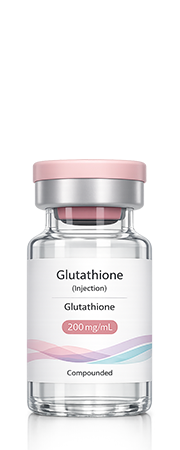
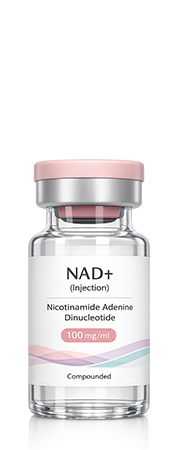
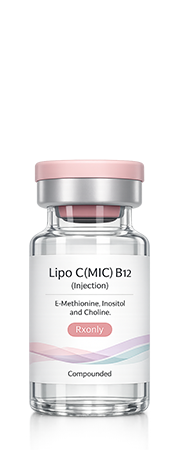
MIC+B12 Injection
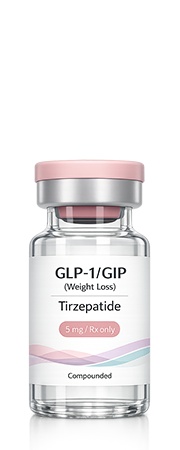
GLP-1 Weight Loss Program

Science Spotlight
Curious About the Science behind this Article?

Similar articles for You























All diagnoses, treatment decisions, and prescriptions are made solely by licensed healthcare professionals after reviewing each patient’s health information. Payment does not guarantee a prescription, medication, or specific outcome.
Medication images and product visuals shown on this website are for illustrative purposes only. Actual formulations, packaging, and labeling may vary. Some medications available through BeMediq™ may be custom-compounded by licensed 503A U.S. pharmacies. These compounded formulations are prepared for individual prescriptions, have not been reviewed or approved by the U.S. Food and Drug Administration (FDA), and may differ from FDA-approved products. However, ingredients are typically sourced from FDA-registered suppliers, and pharmacies operate in compliance with state and federal compounding regulations.
Statements about potential benefits have not been evaluated by the FDA. These products are not intended to diagnose, treat, cure, or prevent any disease. Individual results may vary. Medications should only be used as directed and under the supervision of a licensed provider.
BeMediq™ is not affiliated with, endorsed by, or sponsored by the manufacturers of FDA-approved brand-name drugs such as Ozempic®, Wegovy®, Mounjaro®, or Zepbound®. These trademarks are the property of their respective owners.BeMediq™ services are intended for adults 18+ and are not for use in emergencies. If you are experiencing a medical emergency, call 911 or seek immediate in-person care. Availability of services may vary by state and is subject to provider licensure and applicable regulations.
All health data is handled securely in accordance with HIPAA and applicable privacy laws. Please review our Terms of Service and Privacy Policy for more information.